
How to Save Water at Home: Where It Goes and 12 Ways to Use Less
Showers, toilets, leaks and laundry use most household water. How to find leaks, the fixes that save the most, and how to reuse water safely in the garden.
On this page
Clean, treated drinking water takes energy to pump, purify and heat, and in many regions supplies are under pressure from drought and growing demand. Using less water at home lowers your bills, especially for hot water, and reduces the load on local supplies.
Most of the savings come from a few places: showers, toilets, leaks, laundry and outdoor watering. This guide starts with where water goes, then lists the changes that make the biggest difference.
Where household water goes
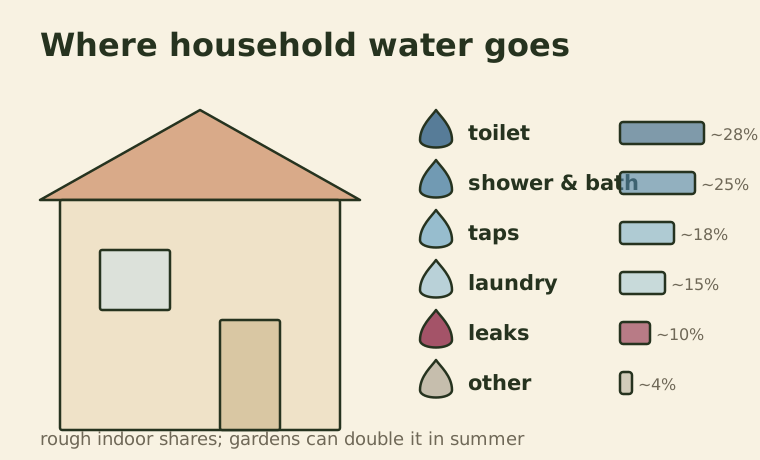
The breakdown varies a lot between countries, climates and homes, but indoors, a typical pattern looks like this:
| Use | Rough share of indoor water use |
|---|---|
| Toilet | Around 25–30% |
| Shower and bath | Around 20–30% |
| Taps (kitchen and bathroom) | Around 15–20% |
| Washing machine | Around 15% |
| Leaks | Around 5–15% |
| Dishwasher and other | Small |
In homes with gardens and dry summers, outdoor watering can equal or exceed all indoor use during the hottest months.
Step 1: Find and fix leaks
Leaks are invisible water waste, and they run around the clock.
The meter test: turn off every tap and appliance that uses water, and read the water meter. Wait one to two hours without using any water, then read it again. If the number has changed, there is a leak somewhere.
The toilet dye test: put a few drops of food coloring in the toilet cistern (tank). Do not flush. After 15 to 30 minutes, check the bowl. If color appears, the flapper or valve is leaking water into the bowl. A worn flapper is a cheap and simple part to replace.
Dripping taps: a tap dripping once per second wastes thousands of liters a year. Most drips are fixed by replacing a washer or cartridge.
Step 2: The bathroom
- Shorter showers. Cutting a shower by two or three minutes saves a lot over a year, especially of hot water. A shower timer or a single song is an easy guide.
- Low-flow shower head. Efficient shower heads use substantially less water per minute than older models while still giving a good shower. They also save the energy used to heat that water.
- Turn off the tap while brushing teeth or shaving. A running bathroom tap can use several liters per minute.
- Use the smaller flush. If your toilet has a dual flush, use the half flush whenever you can. For older single-flush toilets, a displacement bag or a filled water bottle placed in the cistern (away from the mechanism) reduces the volume per flush. Do not use bricks, which can crumble.
- Catch cold shower water. Put a bucket in the shower while you wait for the water to warm up and use it for plants or flushing.
Step 3: The kitchen and laundry
- Run full loads in the washing machine and dishwasher. A full dishwasher typically uses less water than washing the same dishes by hand under a running tap.
- Don't rinse dishes under a running tap before loading the dishwasher. Scrape them instead.
- Wash vegetables in a bowl, not under running water. Use the water afterwards for houseplants.
- Keep a jug of drinking water in the fridge rather than running the tap until it gets cold.
Step 4: The garden
Outdoor watering is often the biggest use in summer, and also the easiest to cut.
- Water deeply and less often, in the early morning or evening, when less evaporates.
- Mulch everything. A 5 to 8 centimeter layer of straw, leaves or wood chips greatly reduces evaporation and keeps roots cool.
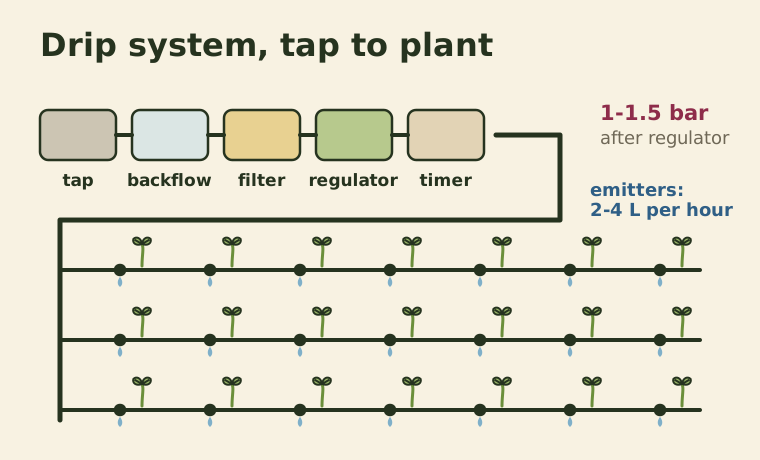
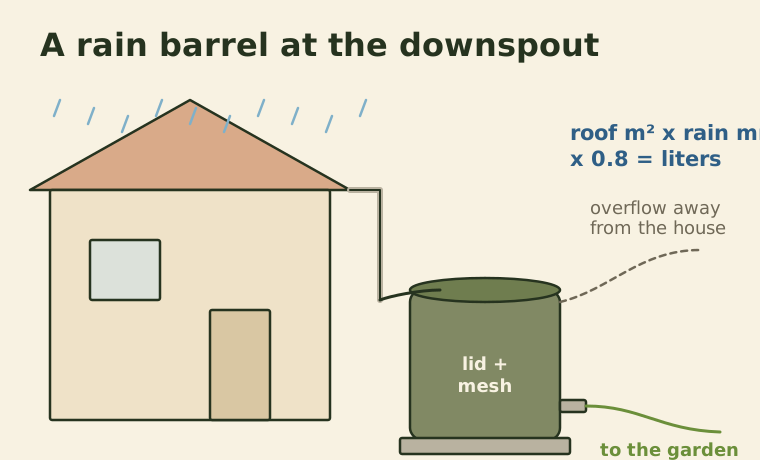
- Use rainwater and drip irrigation. A rain barrel captures free water, and a drip system delivers it straight to roots with much less waste than a sprinkler.
Other garden habits help too: group plants by water needs, choose drought-tolerant plants for dry areas, let lawns go dormant and brown in summer (most recover when rain returns), and add compost to soil, which improves its ability to hold water.
Reusing water safely
Lightly used household water, often called greywater, can be reused for plants in some situations.
Usually fine for garden use: - Cold water caught while waiting for the shower to warm up - Water used to rinse vegetables and fruit - Cooled, unsalted water from steaming or boiling vegetables
Use with care: - Water from washing machines and showers contains soap and detergents. Rules on greywater systems vary widely, and some areas restrict them. If you do use it, choose plant-friendly detergents without bleach, boron or high salt content, apply it to soil rather than leaves, rotate where you pour it, and keep it away from vegetables eaten raw.
Never reuse: - Toilet water - Water used to wash nappies or soiled items - Water containing bleach, harsh cleaners or chemicals
Do not store greywater for more than a day, because bacteria multiply quickly.
Water saving and energy saving go together
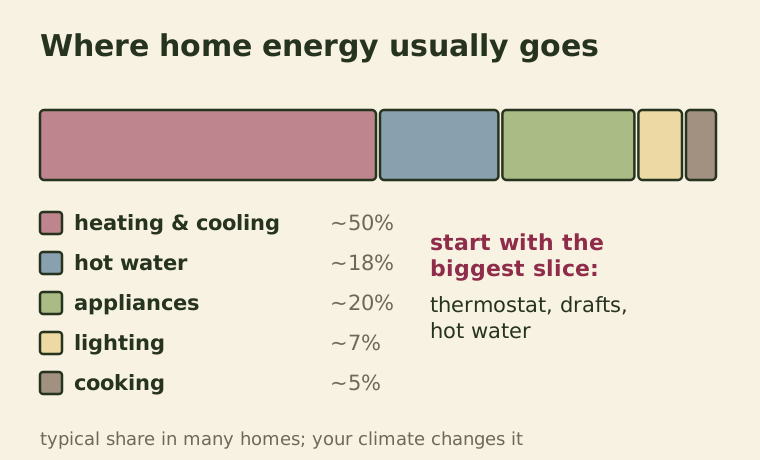
About a fifth of household energy can go into heating water, as explained in our energy saving guide. Every liter of hot water saved in the shower, the washing machine or the sink saves energy too, which is why shorter showers and full loads are some of the most effective habits in the home.
Start with the leak test, then the shower. Those two alone are often enough to see a clear drop on the next water bill.
Keep reading
-
 Water & Energy
How to Save Energy at Home: 15 Simple Steps Ranked by Impact
Where home energy actually goes, which changes save the most, and simple, low-cost steps for heating, cooling, hot water, lighting and appliances.
-
 Water & Energy
Drip Irrigation for Home Gardens: A Simple System You Can Install in a Day
How drip irrigation saves water, the parts you need, how to plan and lay out lines, and how to run a low-pressure system from a rain barrel.
-
 Water & Energy
Rainwater Harvesting at Home: How to Set Up a Rain Barrel
How much water a roof collects, how to connect a barrel to a downspout, keep mosquitoes and algae out, and use rainwater safely in the garden.