
How to Save Energy at Home: 15 Simple Steps Ranked by Impact
Where home energy actually goes, which changes save the most, and simple, low-cost steps for heating, cooling, hot water, lighting and appliances.
On this page
Saving energy at home lowers your bills and reduces the emissions that come with producing electricity and burning fuel. The challenge is knowing where to focus. Many popular tips, such as unplugging phone chargers, save very little, while a few less exciting changes save a lot.
This guide starts with where energy goes in a typical home, then ranks practical steps from highest to lowest impact.
Where home energy goes
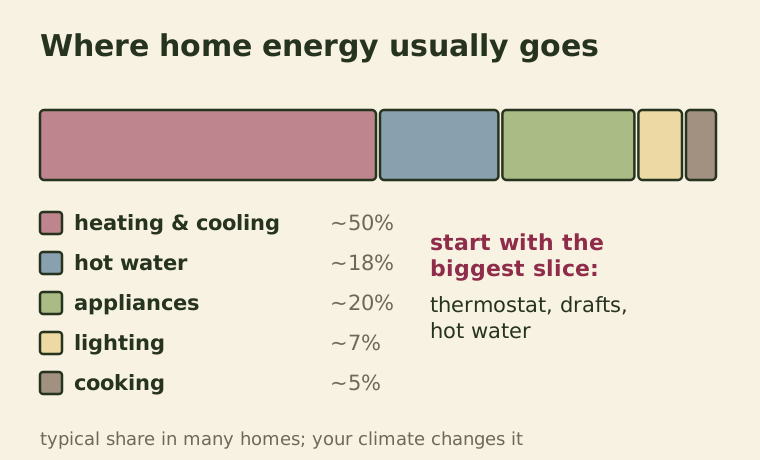
The exact breakdown depends a lot on your climate, your home and how you heat it. In many homes in cool and temperate climates, it looks roughly like this:
| Use | Typical share of home energy |
|---|---|
| Space heating and cooling | Around 40–60% |
| Water heating | Around 15–20% |
| Appliances and electronics | Around 15–25% |
| Lighting | Around 5–10% |
| Cooking | Around 3–5% |
In warm climates, air conditioning takes the place of heating. In mild climates with little heating or cooling, hot water and appliances become the biggest items.
High impact
1. Adjust the thermostat
Each degree matters. Lowering a heating thermostat by 1 °C can cut heating energy use by several percent. In summer, setting air conditioning a degree or two higher has a similar effect. Around 18 to 20 °C in winter and 24 to 26 °C in summer is comfortable for most people with appropriate clothing.
2. Seal drafts
Gaps around doors, windows, letterboxes and pipes let heated or cooled air escape. Self-adhesive weatherstripping, door sweeps and a draft snake (a fabric tube filled with sand or old fabric, a good use for old t-shirts) are cheap and quick to install. Leave ventilation in kitchens and bathrooms open, and keep vents for fuel-burning heaters clear.
3. Heat and cool only the rooms you use
Close doors to unused rooms and close their vents or turn down their radiators. A small fan in the room you are in uses far less energy than air conditioning the whole home.
4. Lower hot water temperature and use less of it
Water heaters are often set higher than needed. Around 60 °C at the tank is a common recommendation, since storage water should stay hot enough to control bacteria like Legionella, but setting it far above this wastes energy. Shorter showers and a low-flow shower head reduce hot water use significantly.
5. Use curtains and shades strategically
In winter, open curtains on sunny windows during the day and close them at night to keep heat in. In summer, close blinds and curtains on sun-facing windows during the hottest hours. External shading, such as awnings or plants, is even more effective.
Medium impact
6. Wash laundry in cold water
Most of the energy a washing machine uses goes into heating water. Modern detergents work well at 30 °C or below. Run full loads.
7. Air-dry clothes
Tumble dryers are among the most energy-hungry appliances in the home. Drying on a rack or line is free, and gentler on fabric.
8. Keep the fridge and freezer efficient
Set the fridge to around 3 to 4 °C and the freezer to around -18 °C. Lower settings use more energy without improving food safety. Keep the door seals clean, leave space behind the unit for air to circulate, and defrost freezers that build up ice.
9. Switch to LED lighting
LED bulbs use roughly 75 to 80 percent less electricity than traditional incandescent bulbs and last many times longer. Replace the bulbs you use most first.
10. Run the dishwasher full and skip pre-rinsing
A full dishwasher on an eco cycle typically uses less water and energy than washing the same load by hand under a running tap. Scrape plates instead of rinsing them.
Lower impact, still worth doing
11. Cut standby power
Devices on standby, like TVs, game consoles, set-top boxes and computer speakers, draw small amounts constantly. Plug entertainment setups into a power strip and switch it off at night. Modern phone chargers draw very little when nothing is plugged in.
12. Cook efficiently
Use lids on pots, match pan size to the burner, and use a kettle to boil water for cooking. Microwaves, pressure cookers and small air fryers use less energy than a full oven for small portions.
13. Turn off lights in empty rooms
A simple habit that adds up over a year, especially for any remaining older bulbs.
14. Buy efficient appliances when replacing
When an appliance needs replacing, compare energy labels. A more efficient fridge or washing machine pays back over its long life. Do not replace working appliances early just for efficiency, since manufacturing new ones has its own environmental cost.
15. Look after what you have
Clean filters in heating and cooling systems, vacuum the coils behind the fridge, and descale the kettle (our natural cleaners guide explains how). Well-maintained equipment runs more efficiently.
Measure to stay motivated
Many utilities offer online usage tracking or smart meters. An inexpensive plug-in energy monitor shows how much electricity a single appliance uses, which is useful for settling household debates about the old fridge in the garage.
Small changes add up, but starting with heating, cooling and hot water gives you the biggest results for the least effort. Pair energy saving with water saving, such as a rain barrel for the garden, and you will see the difference in both bills.
Keep reading
-
 Reuse & Upcycling
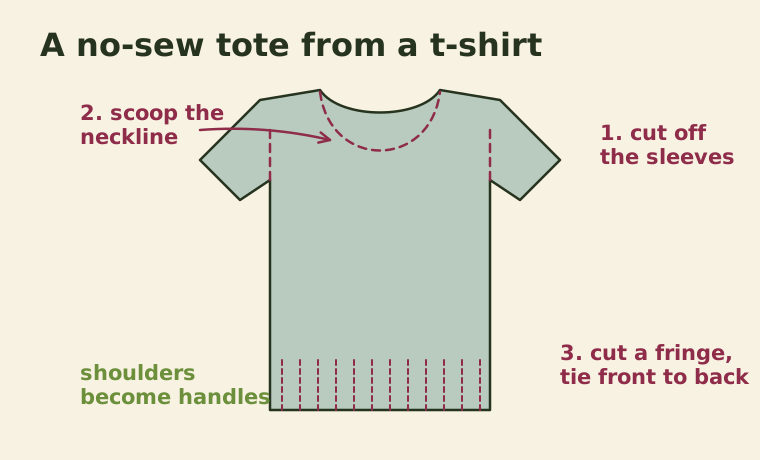
What to Do With Old T-Shirts: 8 No-Sew and Simple-Sew Upcycling Projects
Turn worn-out t-shirts into bags, rags, yarn, plant ties and more, plus how to decide what to donate, upcycle or send to textile recycling.
-
 Recycling
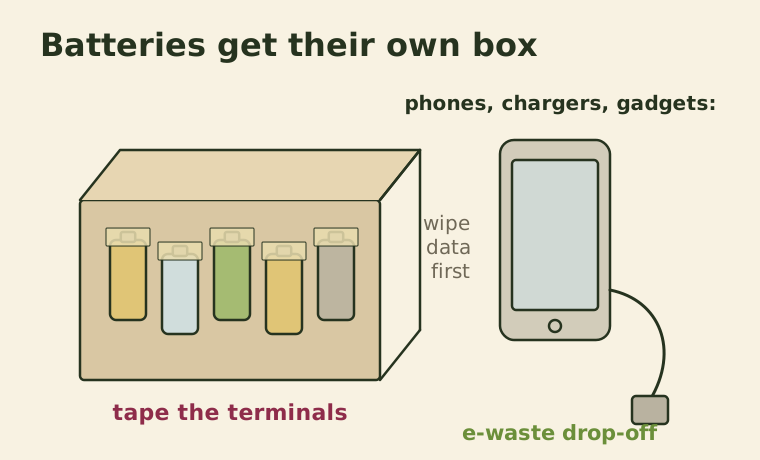
How to Recycle Batteries and Old Electronics Safely
Why batteries must stay out of the bin, how to tape and store them, where to drop off e-waste, and how to wipe your data before you let a device go.
-
 Water & Energy
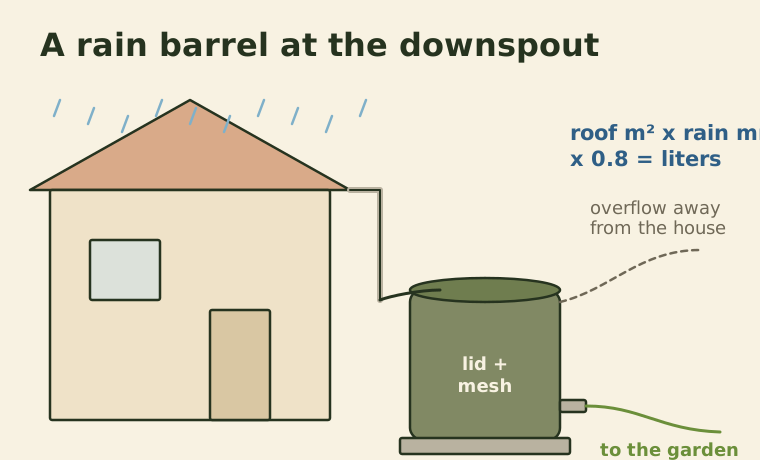
Rainwater Harvesting at Home: How to Set Up a Rain Barrel
How much water a roof collects, how to connect a barrel to a downspout, keep mosquitoes and algae out, and use rainwater safely in the garden.