
Natural Cleaners With Vinegar and Baking Soda: Recipes and Safety Rules
What vinegar, baking soda and soap each clean best, five simple recipes, which surfaces to avoid, and the chemical mixes you must never make.
On this page
A cupboard full of specialized cleaners comes with a lot of plastic packaging, and many of those products are mostly water. For everyday cleaning, three cheap ingredients handle most jobs: white vinegar, baking soda and plain liquid soap. They are easy to buy in bulk, come in less packaging and can be stored in reused bottles and jars.
To use them well, it helps to understand what each one actually does, because they work in different ways and are not interchangeable.
What each ingredient does
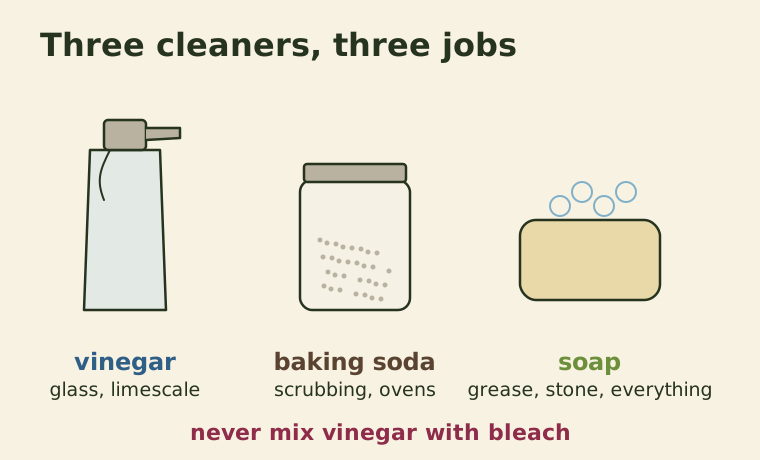
White vinegar is a mild acid (about 4 to 8 percent acetic acid). It dissolves mineral deposits like limescale and soap scum, cuts through some greasy films and leaves glass streak-free.
Baking soda (sodium bicarbonate) is a mild alkali and a gentle abrasive. It scrubs without scratching most surfaces, lifts some grease and helps absorb odors.
Liquid soap (castile soap or dish soap) breaks up grease and lifts dirt so it can be wiped away. It is the best general cleaner of the three.
Five simple recipes
1. All-purpose vinegar spray
- 1 part white vinegar
- 1 part water
- Optional: a few strips of citrus peel steeped in the vinegar for a week, for scent
Use on glass, chrome taps, tiled walls, and to remove limescale. Wipe with a cloth.
2. All-purpose soap spray
- 500 ml warm water
- 1 teaspoon liquid castile soap or dish soap
Use on countertops (including stone), tables, appliances and most sealed surfaces. This is the safer choice for any surface that should not meet acid.
3. Baking soda scrub
- 3 parts baking soda
- 1 part water, or enough to make a thick paste
- A few drops of liquid soap for greasy jobs
Use on sinks, stovetops, baking trays, stained mugs and bathtubs. Apply, leave it for 10 minutes, scrub and rinse.
4. Oven cleaner
- Mix baking soda and water into a spreadable paste.
- Spread it over the cold oven interior, avoiding heating elements.
- Leave it overnight.
- Wipe off with a damp cloth, then spray lightly with diluted vinegar to remove any white residue, and wipe again.
5. Descaler for kettles and shower heads
- Kettle: fill one-third with equal parts vinegar and water, bring to the boil, leave for an hour, empty and rinse thoroughly. Boil a kettle of clean water and discard it.
- Shower head: tie a bag of undiluted vinegar around it so the nozzle sits in the liquid. Leave it for a few hours, then run hot water through it.
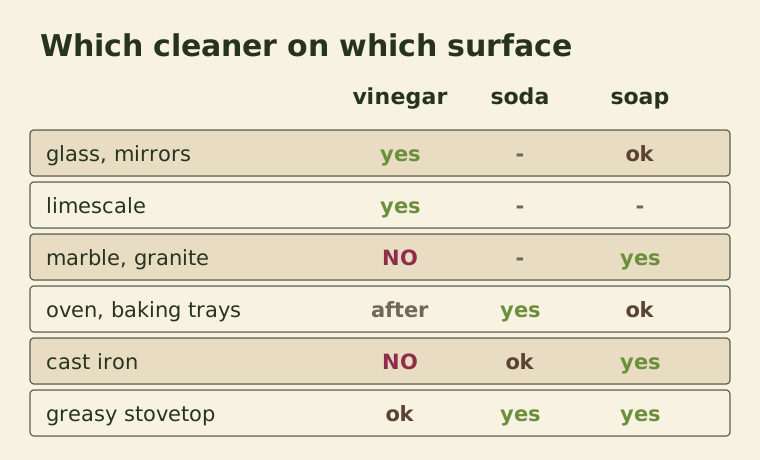
Surfaces to keep vinegar away from
Because vinegar is acidic, it can damage some materials.
| Surface | Why not | Use instead |
|---|---|---|
| Marble, granite, limestone and other natural stone | Acid etches and dulls the surface | Soap spray |
| Grout (repeatedly) | Can wear it down over time | Baking soda paste, then rinse |
| Waxed or unsealed wood | Strips finishes | Damp cloth, wood soap |
| Cast iron | Promotes rust, removes seasoning | Hot water and a brush |
| Rubber seals and some electronics screens | Can degrade or damage coatings | Follow manufacturer advice |
The mixes you must never make
Some common cleaning products react dangerously with each other. These rules matter whether you use natural or store-bought cleaners.
- Never mix vinegar (or any acid) with bleach. It releases chlorine gas, which can seriously damage your lungs.
- Never mix bleach with ammonia or ammonia-containing glass cleaners. It releases toxic chloramine gases.
- Never mix hydrogen peroxide and vinegar in the same container. It forms peracetic acid, which is corrosive.
- Never combine different drain cleaners, or follow a chemical drain cleaner with vinegar.
If you switch to vinegar after using bleach on a surface, rinse it thoroughly with water first. Always work with a window open.
What natural cleaners don't do
Vinegar and baking soda are good cleaners, but they are not registered disinfectants. Vinegar kills some microbes, but it is much less effective than proper disinfectants against many germs.
For situations where disinfection really matters, such as cutting boards after raw meat, or during illness in the household, use hot soapy water first to clean, then a disinfectant used according to its label. Cleaning removes dirt and most germs; disinfecting kills the rest.
Storing homemade cleaners
- Use clean, reused spray bottles or glass jars.
- Label everything with the contents and date. Homemade cleaners in drink bottles are a real poisoning risk, especially with children around.
- Make small batches. Soap sprays are best used within a few weeks.
- Store them out of reach of children and pets.
Using these three ingredients covers most everyday cleaning and removes a whole shelf of plastic bottles from the house. Combined with cloth rags and a good brush from our kitchen swaps guide, they make a cleaning kit that is cheap, simple and nearly waste-free.
Keep reading
-
 Zero Waste Home
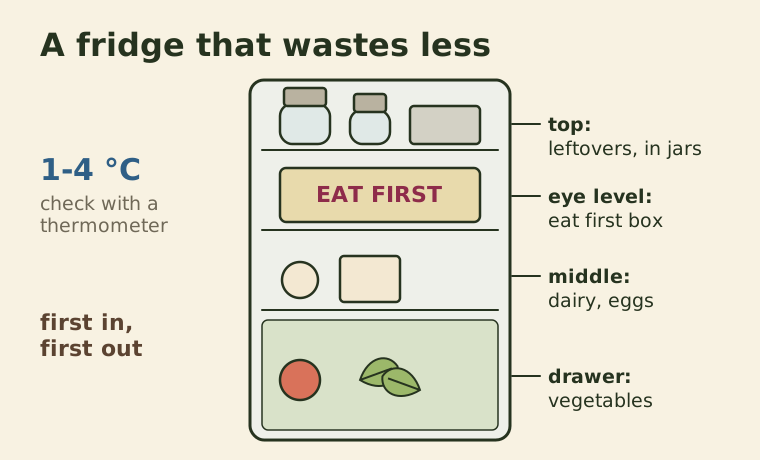
How to Reduce Food Waste at Home: Plan, Store, Use Up
Where household food waste comes from, how to shop and store to prevent it, what date labels really mean, and how to use up scraps before composting.
-
 Zero Waste Home
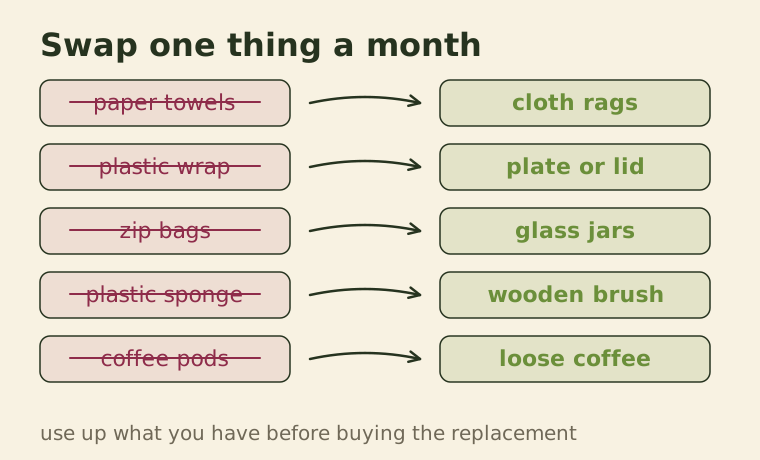
12 Zero Waste Kitchen Swaps That Are Actually Easy to Keep Up
Simple replacements for the most common disposables in the kitchen, ordered from easiest to more committed, and the habits that make them stick.
-
 Reuse & Upcycling
15 Practical Ways to Reuse Glass Jars Around the House
How to remove labels and smells from jars, plus fifteen genuinely useful second jobs for them in the kitchen, garden and workshop.