
12 Zero Waste Kitchen Swaps That Are Actually Easy to Keep Up
Simple replacements for the most common disposables in the kitchen, ordered from easiest to more committed, and the habits that make them stick.
On this page
The kitchen produces more trash than any other room in the house. Packaging, paper towels, plastic wrap, sponges and food waste all add up. "Zero waste" is a direction rather than a perfect result, and nobody gets to zero. The aim is to cut the obvious, frequent disposables and replace them with things that last.
A good rule is to use up what you already have before buying a replacement. Throwing out a drawer of plastic containers to buy glass ones creates waste, it does not prevent it.
Easy swaps (start here)
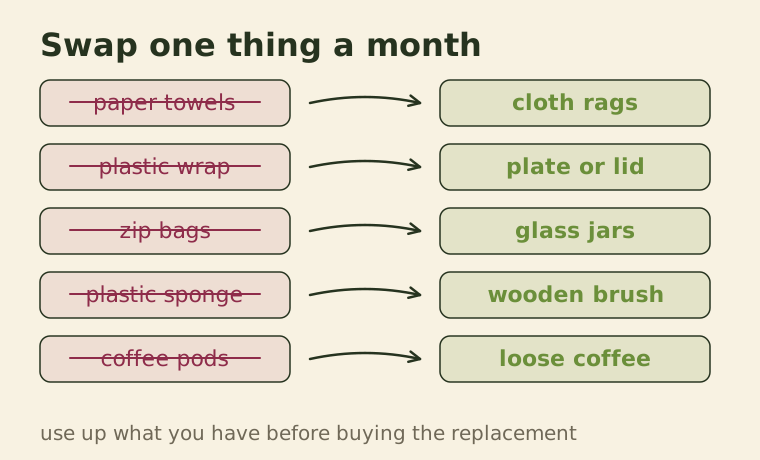
1. Paper towels → cloth rags
Keep a stack of cotton rags or old tea towels within reach for spills and wiping. Cut-up old t-shirts are perfect. Toss used ones into a small basket and wash them with your towels.
2. Plastic wrap → covers you already own
Put a plate over a bowl, or store leftovers in a container with a lid. Beeswax wraps and silicone lids work well for covering cut fruit and bowls. Note that beeswax wraps should not be used with raw meat, as they cannot be washed in hot water.
3. Zip-lock bags → jars and containers
Glass jars handle most storage jobs. For freezing, use straight-sided jars or reusable silicone bags.
4. Bottled water → a filter and a refillable bottle
If your tap water is safe to drink, a jug filter or tap-mounted filter improves taste for a fraction of the cost of bottled water. If you are unsure about water quality in your area, check with your local water utility.
5. Single-use coffee pods → loose coffee
A French press, moka pot or pour-over cone makes good coffee without pods. Reusable stainless steel pods are available for many machines. Used grounds go straight into the compost.
6. Takeaway cutlery → a kit in your bag
Keep a fork, spoon and cloth napkin in your bag or at your desk, and decline plastic cutlery when you order food.
Medium effort swaps
7. Plastic sponges → natural scrubbers and brushes
Most kitchen sponges are made of plastic foam and shed microplastics. Wooden dish brushes with replaceable heads, cellulose sponges, knitted cotton scrubbers or loofah sponges are compostable at the end of their life, once any metal parts are removed.
8. Dish soap in plastic → bars or refills
Solid dish soap bars work well with a brush. Alternatively, buy large refill containers or use a refill shop, which cuts packaging significantly.
9. Pre-packed produce → loose produce in your own bags
Choose loose fruit and vegetables and bring cloth produce bags or reused paper bags. Many items, like bananas, avocados, onions and citrus, need no bag at all.
10. Small packages → bulk buying
Buy staples like rice, oats, beans and pasta in larger sizes, or from bulk stores where you fill your own containers. Larger packages use less packaging per kilo.
More committed swaps
11. Bought stock → scrap stock
Keep a bag in the freezer for onion ends, carrot peels, celery tops, herb stems and mushroom trimmings. When it is full, simmer the contents in water for an hour with a bay leaf, strain and you have free vegetable stock. The spent scraps then go into the compost. Our food waste guide has more scrap recipes.
12. Store-bought cleaners → simple homemade ones
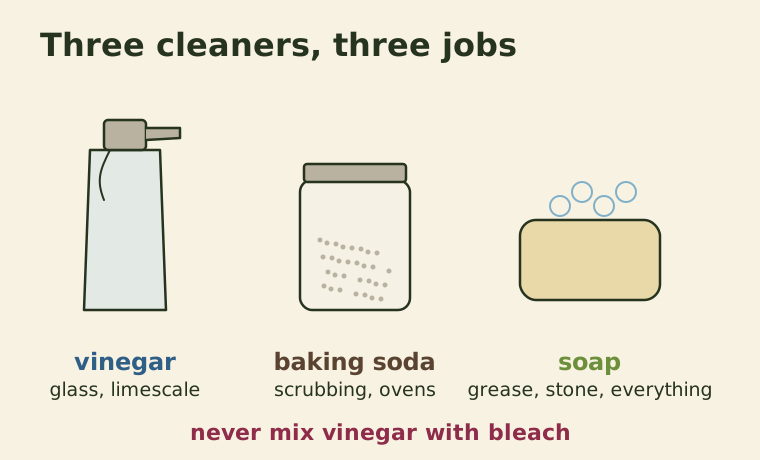
Diluted vinegar, baking soda and dish soap handle most kitchen cleaning. See our guide to natural cleaners, including the important rule about never mixing vinegar with bleach.
How much difference does it make?
| Swap | Disposables avoided per year (typical household) |
|---|---|
| Cloth rags instead of paper towels | 50 to 100 rolls |
| Filter instead of bottled water | Hundreds of bottles |
| Loose coffee instead of pods | Around 700 pods at two per day |
| Reusable produce bags | Several hundred thin plastic bags |
| Brush instead of plastic sponges | 20 to 50 sponges |
Exact numbers depend on your habits, but these are the items most households use in high volumes.
Habits that make swaps stick
- Keep reusables where you need them. Bags by the front door or in the car, rags next to the sink, a cutlery kit in your work bag.
- Make it easier than the disposable option. If the reusable thing is harder to reach, you will default to the old habit.
- Do a trash audit. For one week, look at what fills your kitchen bin. The most common item is your next swap.
- Be kind to yourself. Forgetting your bags once is not failure. The point is the overall trend.
Don't forget compost
Even a perfect zero waste kitchen produces peelings, cores and coffee grounds. A compost bin or worm bin turns them into soil, which removes much of what is left in the kitchen trash. Start with our guide to composting at home, or a worm bin if you live in an apartment.
Keep reading
-
 Zero Waste Home
Natural Cleaners With Vinegar and Baking Soda: Recipes and Safety Rules
What vinegar, baking soda and soap each clean best, five simple recipes, which surfaces to avoid, and the chemical mixes you must never make.
-
 Zero Waste Home
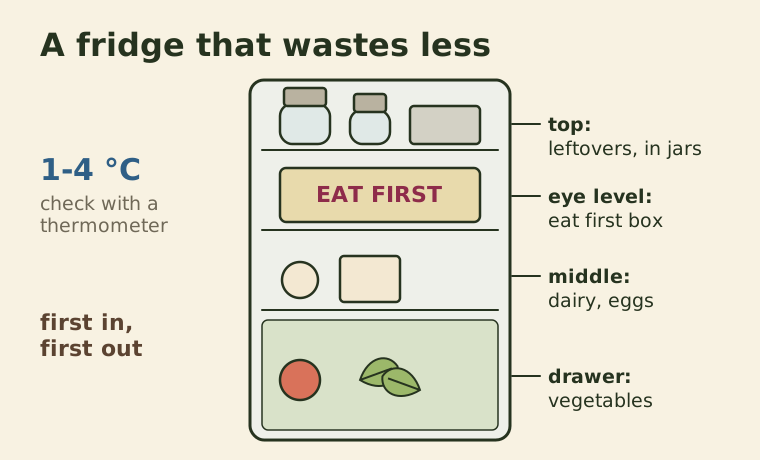
How to Reduce Food Waste at Home: Plan, Store, Use Up
Where household food waste comes from, how to shop and store to prevent it, what date labels really mean, and how to use up scraps before composting.
-
 Reuse & Upcycling
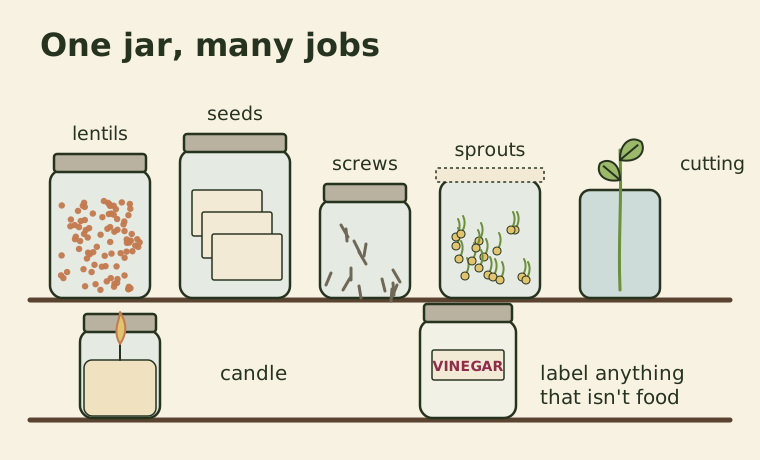
15 Practical Ways to Reuse Glass Jars Around the House
How to remove labels and smells from jars, plus fifteen genuinely useful second jobs for them in the kitchen, garden and workshop.