
10 Easiest Vegetables to Grow for Beginners (and How Not to Kill Them)
Ten forgiving crops for a first vegetable garden, with spacing, time to harvest and the one mistake to avoid for each.
On this page
The best way to learn to grow food is to start with crops that forgive mistakes. A first season of quick successes teaches you more than a season of fighting with fussy plants, and it keeps you motivated to try harder crops next year.
The vegetables below were chosen because they germinate reliably, grow fast or produce heavily, and tolerate a range of soils and a little neglect. All of them can be grown in a bed or, with the right container size, on a balcony.
Before you plant: three basics
- Sun: Most vegetables need at least six hours of direct sun a day. Leafy greens can manage with four.
- Soil: Loose soil with plenty of organic matter. Mixing in 5 centimeters of compost before planting fixes most beginner soil problems.
- Water: Consistent moisture matters more than the amount. Check soil with a finger, and water deeply when the top 2 to 3 centimeters are dry.
The ten crops
| Crop | Sow or plant | Spacing | Days to harvest | Container size |
|---|---|---|---|---|
| Radishes | Seed, direct | 3–5 cm | 25–30 | 15 cm deep |
| Lettuce (loose leaf) | Seed or seedling | 20 cm | 30–45 | 15 cm deep |
| Bush beans | Seed, direct | 10 cm | 50–60 | 20 cm deep |
| Zucchini | Seed or seedling | 90 cm | 45–55 | 40 L |
| Cherry tomatoes | Seedling | 50 cm | 60–75 from transplant | 20 L |
| Swiss chard | Seed or seedling | 25 cm | 50–60 | 20 cm deep |
| Peas | Seed, direct | 5 cm | 60–70 | 25 cm deep |
| Green onions | Seed or regrown roots | 2–3 cm | 30–60 | 15 cm deep |
| Kale | Seed or seedling | 40 cm | 50–65 | 25 cm deep |
| Bush cucumbers | Seed or seedling | 40 cm | 50–65 | 20 L |
Days to harvest are approximate and depend on variety and climate.
1. Radishes
The fastest reward in the garden. Sow seeds 1 centimeter deep and thin to a few centimeters apart. Mistake to avoid: leaving them too long. Radishes turn woody and hot when they sit in the ground. Sow a short row every two weeks instead of one big row.
2. Loose-leaf lettuce
Pick the outer leaves and the plant keeps growing for weeks. Mistake to avoid: growing it in peak summer heat, which makes it bolt (flower) and turn bitter. Give it afternoon shade or grow it in the cooler months.
3. Bush beans
They need no support and produce for several weeks. Sow straight into warm soil, 3 centimeters deep. Mistake to avoid: planting into cold, wet soil, where the seeds rot. Wait until the soil is warm to the touch.
4. Zucchini
One or two plants feed a family. Mistake to avoid: letting fruits grow huge. Pick them at 15 to 20 centimeters long and check plants every couple of days. Water at the base, not on the leaves, to reduce powdery mildew.
5. Cherry tomatoes
Much easier than large tomatoes and less prone to cracking. Buy a healthy seedling or start your own, plant it deep, and give it a stake or cage. Mistake to avoid: irregular watering, which leads to split fruit and blossom end rot.
6. Swiss chard
Tolerates heat, light frost and poor soil, and you can harvest for months. Mistake to avoid: cutting all the leaves at once. Take the outer stalks and leave the center to keep growing.
7. Peas
Sow in cool weather, since they stop producing in heat. Give climbing varieties a trellis, or choose dwarf types. Mistake to avoid: sowing too late in spring. Peas are among the first crops to go in.
8. Green onions
Grow them from seed, or simply replant the white root ends from store-bought bunches in soil or a jar of water. Mistake to avoid: letting the soil dry out completely, which makes them tough.
9. Kale
Hardy and productive, and frost actually improves its flavor. Mistake to avoid: ignoring cabbage worms. Check the undersides of leaves weekly and pick off small green caterpillars, or cover young plants with fine netting.
10. Bush cucumbers
Compact varieties suit small beds and pots. Mistake to avoid: letting them go thirsty, which makes fruit bitter. Mulch around plants to keep moisture steady.
A simple first-season plan
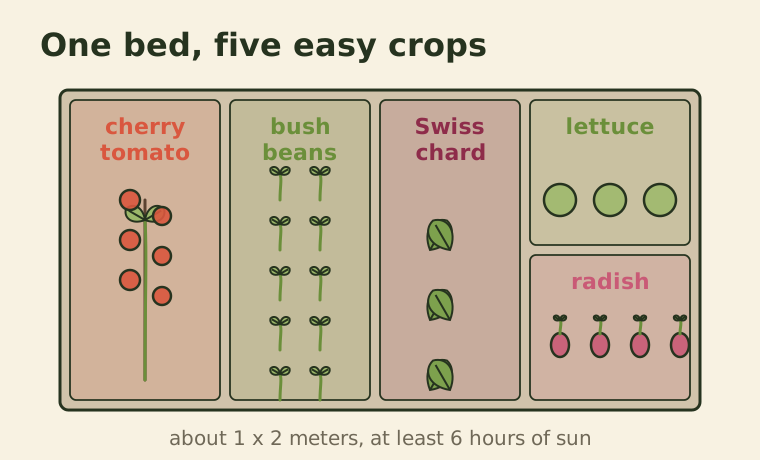
If you have one bed of about 1 by 2 meters, here is an easy layout:
- One end: one cherry tomato with a stake, and a few basil plants beside it.
- Middle: a row of bush beans and a row of Swiss chard.
- Other end: lettuce and radishes in short rows, resown every few weeks.
- Along the edge: green onions.
Leave zucchini and kale for a second bed or large containers, since they take up a lot of space.
Feeding and care through the season
Mix compost into the soil before planting, and add a top-dressing halfway through the season for heavy feeders like tomatoes and zucchini. A liquid feed such as compost tea every two to three weeks helps fruiting crops. Mulch the soil with straw or dry leaves to hold moisture and keep weeds down.
Walk through the garden for five minutes every day. You will catch problems early, harvest at the right time, and learn faster than from any book.
If space is tight, every crop on this list has a container-friendly variety. Our guide to growing vegetables in containers explains how to set up pots that stay healthy all season.
Keep reading
-
 Growing Food
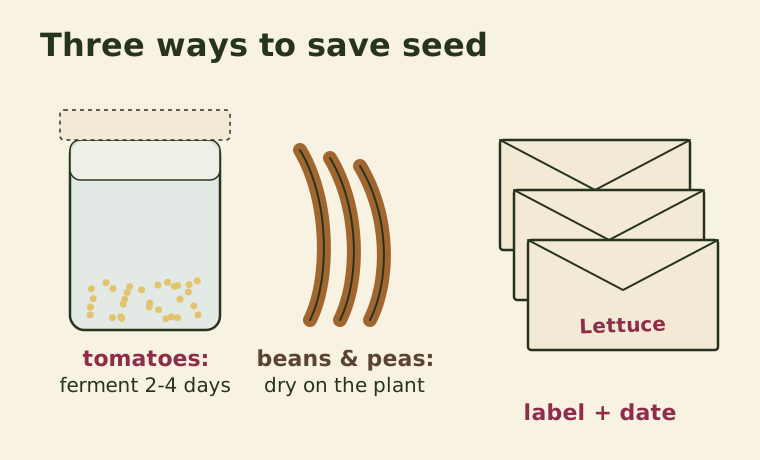
How to Save Seeds From Your Garden: Tomatoes, Beans, Peppers and More
Which seeds are easy to save, why hybrids don't come true, and step-by-step methods for drying, fermenting and storing seed for next year.
-
 Small-Space Gardening
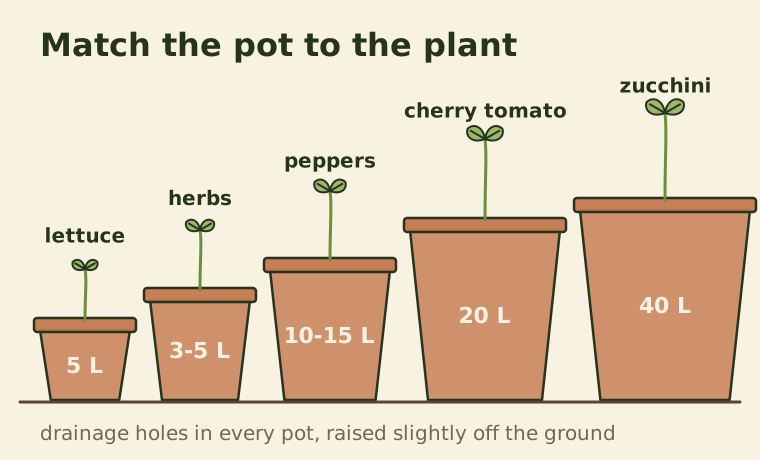
Growing Vegetables in Containers: Pot Sizes, Soil Mix and Watering
How big each pot should be, how to mix a potting soil that doesn't compact, and a watering routine that keeps container crops healthy.
-
 Growing Food
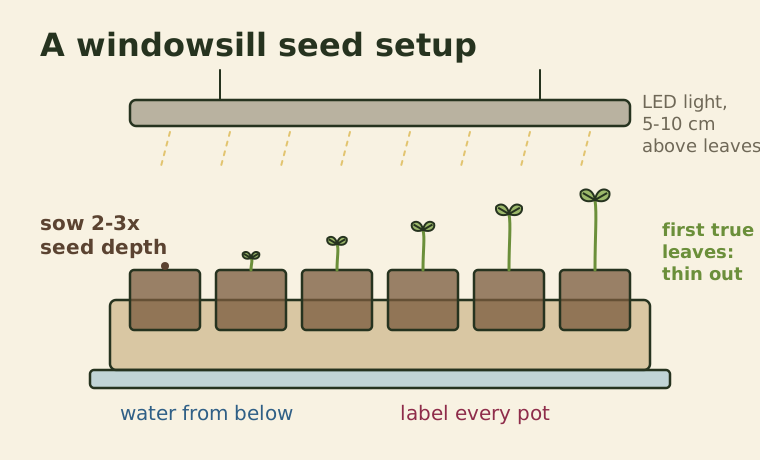
How to Start Seeds Indoors: From Tray to Transplant
Containers, seed-starting mix, light, water and timing. A step-by-step guide to raising strong vegetable seedlings on a windowsill or under a lamp.