
Growing Vegetables in Containers: Pot Sizes, Soil Mix and Watering
How big each pot should be, how to mix a potting soil that doesn't compact, and a watering routine that keeps container crops healthy.
On this page
Containers make it possible to grow food on a balcony, a patio, a rooftop or a concrete yard. They warm up faster in spring, keep soil pests at a distance and let you move plants to follow the sun. The trade-off is that container plants depend on you completely. They have limited soil, dry out quickly and run out of nutrients faster than plants in the ground.
Get three things right, the pot size, the soil mix and watering, and container growing becomes reliable.
Pot size matters more than anything
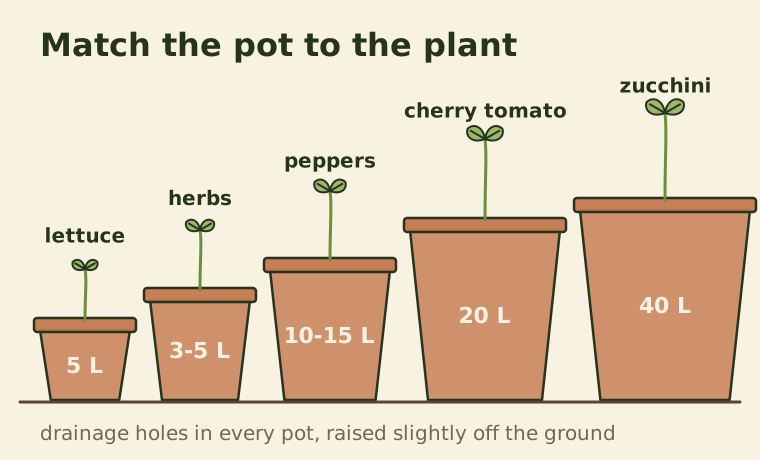
Roots need room for water and nutrients. A small pot dries out in hours on a hot day and leaves the plant stressed and stunted. As a rule, choose the largest container your space and budget allow.
| Crop | Minimum volume | Minimum depth | Plants per pot |
|---|---|---|---|
| Lettuce, spinach, arugula | 5 L | 15 cm | 3–4 |
| Radishes, green onions | 5 L | 15 cm | Many, thinned |
| Herbs (basil, parsley, chives) | 3–5 L | 15 cm | 1 |
| Bush beans | 10 L | 20 cm | 3–4 |
| Peppers, chillies | 10–15 L | 25 cm | 1 |
| Cherry tomatoes | 20 L | 30 cm | 1 |
| Large tomatoes | 30–40 L | 40 cm | 1 |
| Zucchini, bush squash | 40 L | 40 cm | 1 |
| Potatoes | 40 L or a grow bag | 40 cm | 2–3 seed potatoes |
| Carrots (short varieties) | 10 L | 25–30 cm | Many, thinned |
Containers you can reuse
Almost anything that holds soil and drains can become a planter: food-grade buckets, wooden crates lined with burlap or old fabric, wine boxes, metal tubs, old sinks and fabric grow bags. Avoid containers that held chemicals, and be cautious with treated wood.
Whatever you use, it must have drainage. Drill several holes of about 1 centimeter in the bottom. Raise pots slightly on bricks or pot feet so water can escape, and so the pot does not sit in a puddle.
Dark containers in full sun can get very hot, which damages roots. Light colors, wooden boxes or a second pot around the first one keep roots cooler.
Make a potting mix that stays loose
Never fill containers with garden soil. It compacts into a heavy block that drains badly and leaves roots short of air.
A good container mix needs to hold water and still drain freely. A simple homemade recipe:
- 4 parts good compost or peat-free potting compost
- 2 parts coco coir, to hold moisture
- 1 part perlite, pumice or fine bark, for drainage and air
- 1 part worm castings or well-rotted manure, if available
Mix it thoroughly and moisten it before filling. If you have a worm bin, your castings are ideal here.
You do not need gravel in the bottom of the pot. It actually raises the level where water collects and leaves less usable soil for roots. A piece of mesh or a coffee filter over the holes keeps soil in.
Watering: the daily habit
Watering is where most container gardens succeed or fail.
- Check daily in warm weather, by pushing a finger 3 centimeters into the soil. Water when it feels dry at that depth.
- Water deeply until it runs out of the bottom. A light sprinkle only wets the surface.
- Water in the morning when possible, so plants start the day hydrated and leaves dry quickly.
- Mulch the surface with straw, dry leaves or wood chips to slow evaporation.
In peak summer, large tomato and zucchini pots may need water every day, and small pots twice a day. Grouping pots together creates shade and humidity that reduces water loss. For a low-effort option, try the self-watering bottle planter or a simple drip system.
Feeding container plants
Frequent watering washes nutrients out of the pot, so container plants need regular feeding.
- Mix compost or a slow-release organic fertilizer into the soil at planting.
- From about a month after planting, give a liquid feed every two weeks, such as diluted compost tea or a seaweed-based product.
- Fruiting crops like tomatoes and peppers benefit from a feed with more potassium once flowers appear.
- Top up the pot with a few centimeters of fresh compost halfway through the season.
Sun and placement
Most fruiting vegetables need six to eight hours of direct sun. On a shady balcony, focus on leafy greens and herbs such as lettuce, chard, mint and parsley, which manage with four.
Wind dries pots fast and can snap stems on high balconies. Place tall plants against a wall or railing, stake them well, and use heavier containers on exposed rooftops.
Reusing potting soil next year
Old potting mix does not need to be thrown out.
- Empty pots onto a tarp and remove old roots.
- Mix in about one-third fresh compost and a handful of worm castings.
- Rotate crops, so that tomatoes do not go back into the same soil as last year's tomatoes.
If plants in a pot suffered from disease, add that soil to the compost pile or a garden bed instead of reusing it in containers.
Container gardening rewards attention more than skill. Start with a few large pots, water consistently, feed regularly, and you can harvest a surprising amount from a few square meters of concrete.
Keep reading
-
 Small-Space Gardening
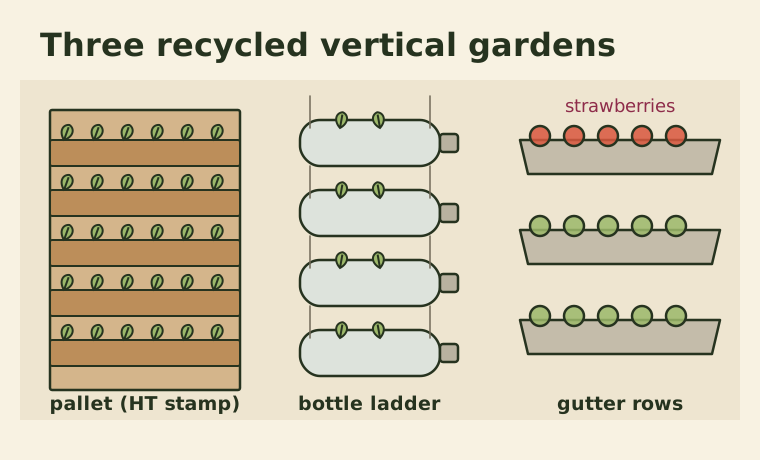
Build a Vertical Garden From Recycled Materials: Pallets, Bottles and Gutters
Three vertical garden builds using reclaimed materials, with what to grow in each, how to water them, and the safety checks to do first.
-
 Growing Food
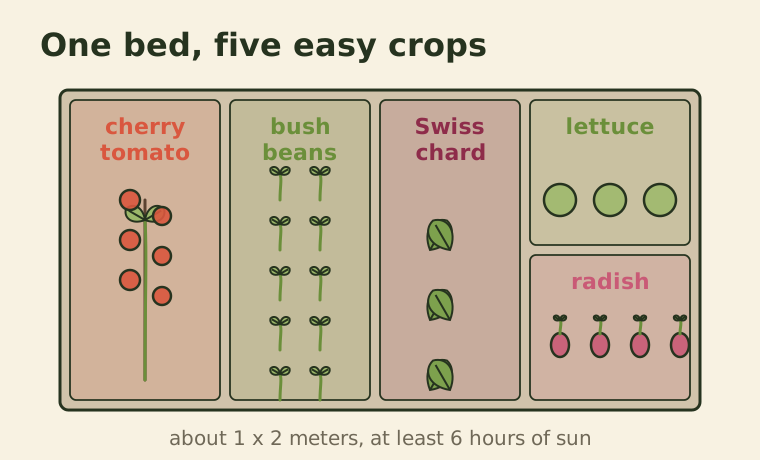
10 Easiest Vegetables to Grow for Beginners (and How Not to Kill Them)
Ten forgiving crops for a first vegetable garden, with spacing, time to harvest and the one mistake to avoid for each.
-
 Small-Space Gardening
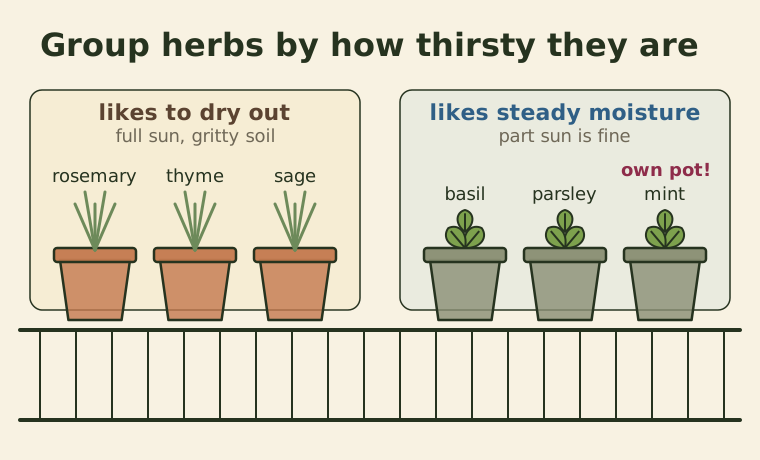
How to Grow a Balcony Herb Garden That Lasts All Year
Which herbs suit sun, shade and wind, how to group them by water needs, and how to harvest so plants keep producing instead of fading.