
Comfrey and Nettle Tea: Homemade Liquid Fertilizers From Weeds
How to brew liquid plant feed from comfrey and stinging nettle, which crops each one suits, dilution rates, and how to handle the smell.
On this page
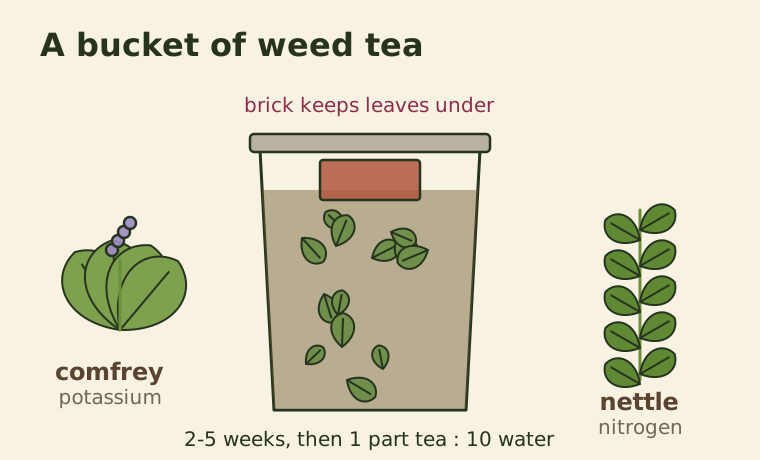
Two common plants make some of the best homemade liquid fertilizers there are. Comfrey, a deep-rooted perennial, has leaves rich in potassium, which fruiting crops like tomatoes need. Stinging nettle, a weed many gardeners already have, is rich in nitrogen, which drives leafy growth. Both can be turned into a liquid feed in a bucket with nothing more than water and time.
These "weed teas" are a way to recycle nutrients from plants that grow freely, rather than buying bottled fertilizer. They do have one drawback: they smell strongly. With a lid and a sensible location, that is easy to manage.
Comfrey vs nettle at a glance
| Comfrey | Stinging nettle | |
|---|---|---|
| Main nutrient | Potassium (also some nitrogen) | Nitrogen (also iron, magnesium) |
| Best for | Tomatoes, peppers, squash, beans, flowers, fruit bushes | Leafy greens, cabbage family, young plants, lawns |
| When to use | From flowering through fruiting | Early in the season, during leafy growth |
| Harvest | Cut leaves 3–5 times a year | Young tops in spring, before flowering |
| Smell | Very strong | Strong |
Many gardeners use both: nettle in spring to build plants, comfrey from midsummer to feed fruit.
Growing and harvesting comfrey
The variety most gardeners grow is Russian comfrey 'Bocking 14', a sterile hybrid that does not spread by seed. Ordinary comfrey can seed itself around the garden, so choose 'Bocking 14' if you are planting it fresh.
Comfrey is very hard to remove once established, because any piece of root left in the ground regrows. Plant it in a permanent spot at the edge of the garden.
Cut leaves about 5 centimeters above the ground when the plant is about 60 centimeters tall. It regrows quickly, and you can usually cut three to five times a season. Wear gloves, since the leaves are covered in bristly hairs that irritate skin.
Harvesting nettles
Pick young nettle tops in spring, before the plants flower, when they are most tender and nutrient-rich. Always wear thick gloves and long sleeves. Leave some nettles standing: they are important food plants for the caterpillars of several butterflies.
Avoid nettles growing beside busy roads or in areas that may have been sprayed with herbicides.
How to make the tea
The method is the same for both plants.
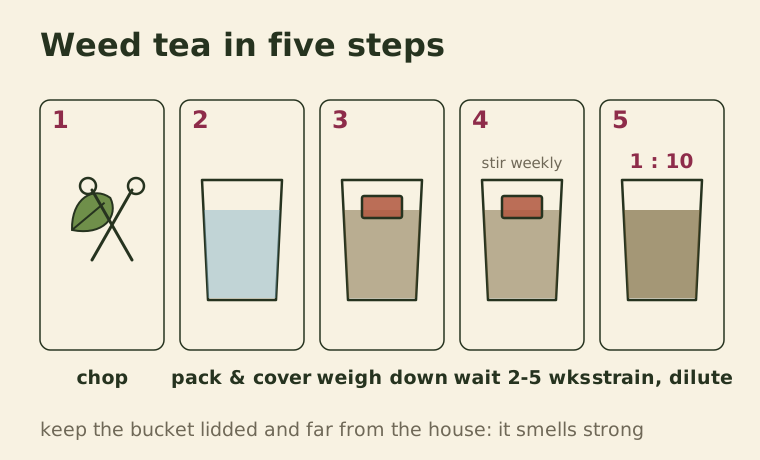
- Chop the leaves roughly with shears. Smaller pieces break down faster.
- Pack a bucket about half full with leaves.
- Add water until the leaves are covered, roughly 1 kilogram of leaves to 10 liters of water. Rainwater is ideal.
- Weigh the leaves down with a brick or stone so they stay submerged.
- Cover with a tight lid and place the bucket somewhere away from the house and seating areas.
- Stir once a week if you can bear the smell.
- Wait: nettle tea is ready in about two weeks, comfrey tea in three to five weeks. The liquid turns dark brown and the leaves break down into sludge.
- Strain the liquid through an old cloth or sieve into bottles or a watering can. Add the leftover sludge to the compost pile.
A smell-free alternative for comfrey: concentrate
Instead of soaking in water, you can make a concentrate:
- Pack comfrey leaves tightly into a container with a small hole or tap at the bottom, such as an old drainpipe with a cap or a bucket with a tap.
- Weigh them down firmly and cover with a lid. Do not add water.
- Over two to three weeks, a dark, thick liquid drips out as the leaves decompose.
This concentrate smells far less than the water version and keeps for months in a sealed bottle in a cool, dark place. Dilute it more strongly, about 1 part concentrate to 15 to 20 parts water.
How to dilute and use
Weed teas are strong and should always be diluted before use.
| Feed | Dilution | How often |
|---|---|---|
| Comfrey tea (water method) | 1 part tea to 10 parts water | Weekly once fruiting crops start flowering |
| Comfrey concentrate | 1 part to 15–20 parts water | Weekly from flowering |
| Nettle tea | 1 part tea to 10 parts water | Every 1–2 weeks during leafy growth |
| Seedlings (either) | 1 part to 20 parts water | Every 2 weeks |
Water the soil around the base of plants. Apply to moist soil rather than bone-dry soil. Stop feeding edible crops a couple of weeks before harvest, and avoid splashing leaves of crops eaten raw.
Other uses for comfrey leaves
- Mulch: lay fresh leaves around potatoes, tomatoes or currant bushes. They wilt and break down quickly, releasing nutrients into the soil.
- Planting holes: put a handful of chopped leaves at the bottom of the hole when planting potatoes or tomatoes.
- Compost activator: comfrey leaves heat up a compost pile and add potassium.
- Potting mix: well-rotted comfrey leaf mold, mixed with leaf mold, makes a rich homemade potting compost.
Safety notes
- Comfrey contains compounds that are toxic to the liver when eaten. Do not eat it or make it into herbal remedies to take internally. Use it only as a garden fertilizer.
- Wear gloves when handling both plants.
- Label bottles of tea and concentrate clearly and keep them away from children and pets.
Will it replace other fertilizers?
For most home vegetable gardens, a combination of compost in the soil and weed teas during the growing season covers the main nutrient needs. Weed teas are not as precisely balanced as commercial products, so if plants show persistent signs of deficiency, a soil test is worth doing.
For a gentler, more general feed, try brewing finished compost instead with our compost tea guide.
Keep reading
-
 Growing Food
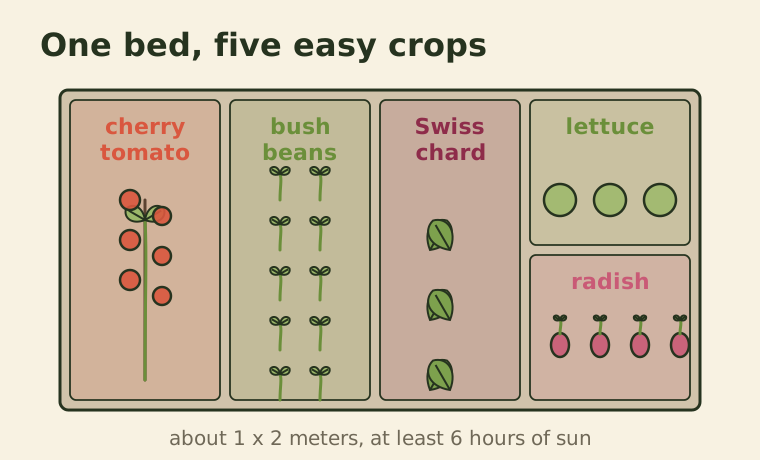
10 Easiest Vegetables to Grow for Beginners (and How Not to Kill Them)
Ten forgiving crops for a first vegetable garden, with spacing, time to harvest and the one mistake to avoid for each.
-
 Natural Fertilizers
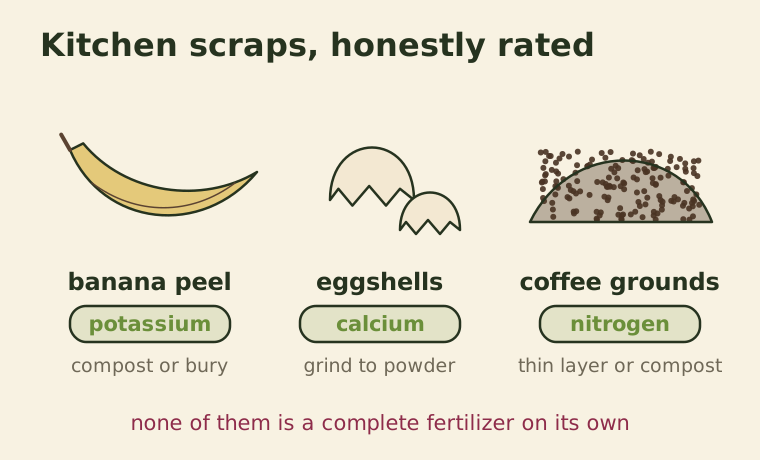
Banana Peels, Eggshells and Coffee Grounds: Which Kitchen Fertilizers Really Work
An honest look at popular kitchen scrap fertilizers, what nutrients they actually supply, and the right way to use each one.
-
 Natural Fertilizers
How to Make Compost Tea: Simple Steeped and Aerated Methods
Two ways to turn finished compost into a liquid feed, how to dilute and apply it, and the hygiene rules that keep it safe for food crops.