
Mulching to Save Water: The Easiest Way to Cut Garden Watering
How mulch keeps soil moist, which materials to use for vegetables, borders and containers, how thick to spread it, and the mistakes to avoid.
On this page
If you could make only one change to save water in the garden, mulching would be the one to pick. A layer of material spread over the soil surface slows evaporation dramatically, keeps roots cooler, reduces weeds that compete for water, and slowly feeds the soil as it breaks down. Many gardeners find they can water much less often after mulching their beds.
It costs little or nothing when you use materials from your own garden, and it takes an afternoon.
How mulch saves water
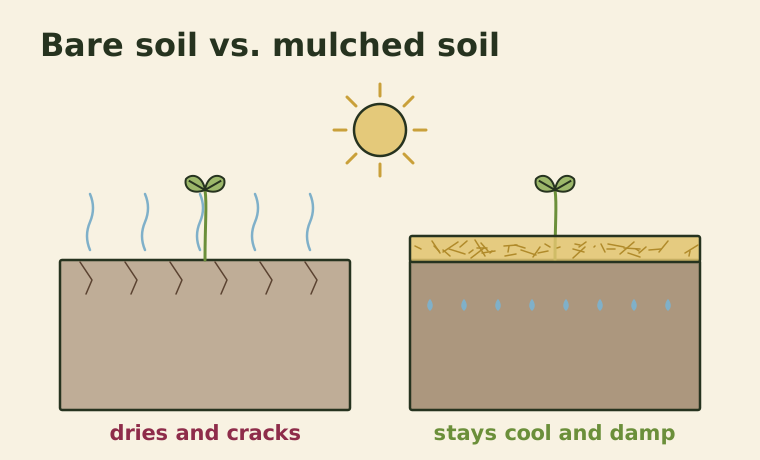
On bare soil, the sun and wind pull moisture straight out of the top layer. As it dries, it often forms a crust, so the next rain or watering runs off instead of soaking in. A mulch layer:
- Shades the soil, reducing evaporation from the surface.
- Blocks the wind at ground level.
- Keeps the soil cooler in summer, so roots lose less water.
- Lets water soak in slowly instead of running off a crusted surface.
- Suppresses weeds that would otherwise use the water meant for your plants.
- Feeds soil life, and organic mulches improve the soil's ability to hold water over time.
Choosing a mulch
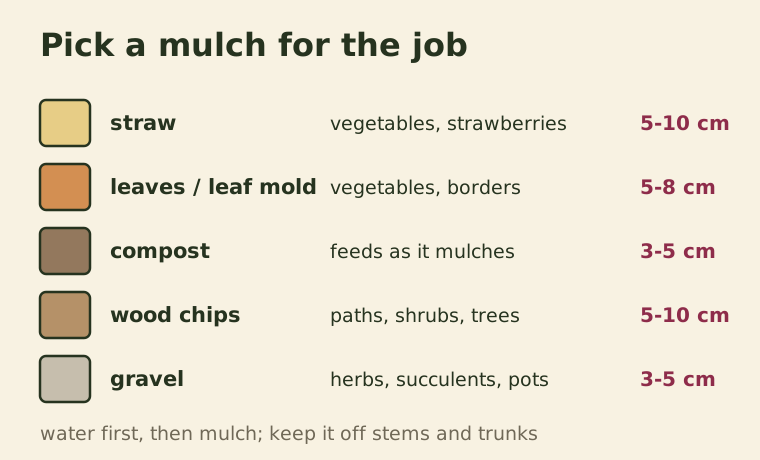
| Mulch | Best for | Thickness | Notes |
|---|---|---|---|
| Straw | Vegetables, strawberries | 5–10 cm | Use straw, not hay, which contains seeds |
| Shredded leaves or leaf mold | Vegetables, borders | 5–8 cm | Free; see our leaf mold guide |
| Compost | Vegetables, borders | 3–5 cm | Feeds the soil too; breaks down quickly |
| Grass clippings | Vegetables | 2–3 cm, thin layers | Dry them first; thick wet layers turn slimy |
| Wood chips | Paths, trees, shrubs, perennial borders | 5–10 cm | Long-lasting; keep away from seedlings |
| Bark | Ornamental borders | 5–8 cm | Decorative, slow to break down |
| Gravel or pebbles | Mediterranean plants, succulents | 3–5 cm | Doesn't feed the soil; good for dry gardens |
| Cardboard under mulch | New beds, weedy areas | 1 layer + mulch on top | Remove tape and labels |
Organic mulches such as straw, leaves and compost improve the soil as they decompose. Inorganic mulches such as gravel last longer but don't add organic matter.
How to mulch, step by step
- Weed first. Remove perennial weeds with their roots. Annual weeds can be smothered.
- Water well before mulching. Mulch holds moisture in, but it also slows water from reaching dry soil. Start with damp soil.
- Spread the mulch evenly to the right thickness. Too thin and weeds come through; too thick and water may not reach the soil in light rain.
- Keep it away from stems. Leave a gap of a few centimeters around plant stems and tree trunks to prevent rot.
- Top up once or twice a year as it breaks down.
When to mulch
- Late spring: once the soil has warmed up, mulch before summer heat. Mulching cold soil too early can keep it cold and slow plant growth.
- Autumn: mulch protects bare soil over winter and feeds it as it breaks down. Good timing for leaves and compost.
- After planting: mulch around transplants once they're in and watered.
Mulching vegetables
- Use straw, shredded leaves, compost or dried grass around established vegetables such as tomatoes, squash, beans and peppers.
- Leave rows of direct-sown seeds uncovered until seedlings are a few centimeters tall, then mulch around them.
- Combine mulch with drip irrigation laid underneath. The water goes straight to the roots and the mulch stops it evaporating.
Mulching containers
Pots dry out fastest of all, and mulch helps a lot there too. A 2 to 3 centimeter layer of bark, gravel, shredded leaves or even pebbles on top of the potting mix reduces evaporation noticeably. Gravel suits pots of Mediterranean herbs, while bark or leaves suit vegetables and leafy plants. See our guide to growing vegetables in containers for more on keeping pots watered.
Common mistakes
- Volcano mulching: piling mulch up against tree trunks causes bark to rot. Keep it flat, with a gap around the trunk.
- Fresh wood chips on vegetable beds: fresh chips can briefly tie up nitrogen at the soil surface. Use them on paths and around shrubs instead, or let them age first.
- Mulching dry soil: always water thoroughly first.
- Using hay instead of straw: hay contains seeds that sprout into weeds.
- Weed-killer-treated grass clippings: don't use clippings from lawns treated with herbicides on food crops.
Mulch, rainwater and drip: the water-saving trio
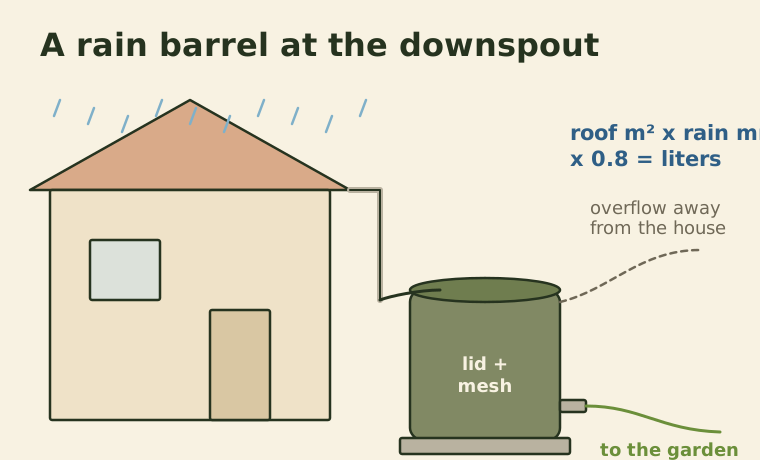
Mulch works best alongside the other water-saving basics. A rain barrel supplies free water, drip irrigation delivers it to the roots, and mulch keeps it there. Together, they can cut garden watering dramatically while keeping plants healthier through dry spells.
Keep reading
-
 Composting
How to Make Leaf Mold: Turn Fallen Leaves Into Free Soil Conditioner
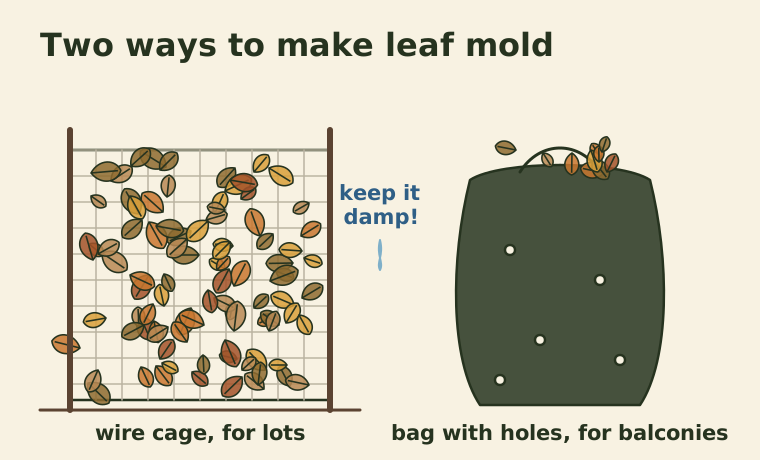
Leaf mold is what autumn leaves become when you simply let them rot. How to make it in a bag or a cage, how long it takes, and the best ways to use it.
-
 Water & Energy
Drip Irrigation for Home Gardens: A Simple System You Can Install in a Day
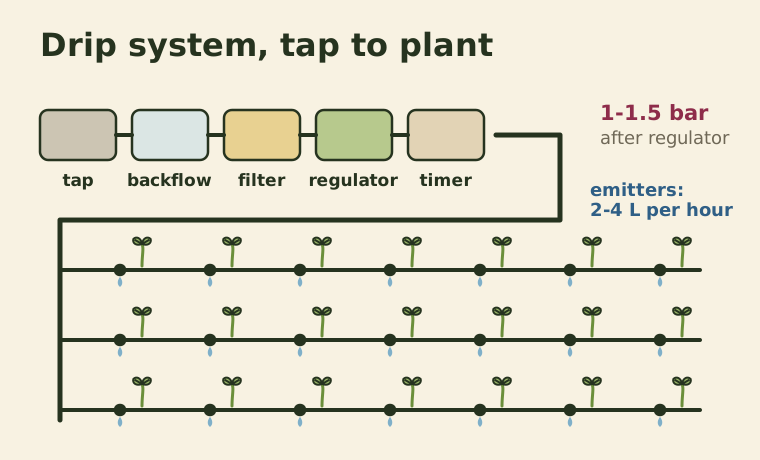
How drip irrigation saves water, the parts you need, how to plan and lay out lines, and how to run a low-pressure system from a rain barrel.
-
 Water & Energy
Rainwater Harvesting at Home: How to Set Up a Rain Barrel
How much water a roof collects, how to connect a barrel to a downspout, keep mosquitoes and algae out, and use rainwater safely in the garden.