
How to Make Leaf Mold: Turn Fallen Leaves Into Free Soil Conditioner
Leaf mold is what autumn leaves become when you simply let them rot. How to make it in a bag or a cage, how long it takes, and the best ways to use it.
On this page
Every autumn, millions of bags of fallen leaves are put out with the trash or burned. That is a waste of one of the best free materials a gardener can get. Left in a pile and kept damp, leaves slowly turn into leaf mold: a dark, crumbly, sweet-smelling material that improves soil structure and holds water like a sponge.
Leaf mold is not quite the same as compost. Compost is made mostly by bacteria working fast and hot on a mix of materials. Leaf mold is made mainly by fungi working slowly and cool on leaves alone. The result has fewer nutrients than compost, but it is outstanding at improving soil texture and moisture retention.
Why leaves don't just go in the compost bin
Leaves are a "brown" material, rich in carbon, and a little goes a long way in a compost pile. The problem is volume. A single tree can drop far more leaves than a home compost bin can absorb, and a big layer of leaves slows a pile down. Making leaf mold separately solves that: the leaves take care of themselves, and you keep a small stock aside as browns for the compost through the year.
Which leaves work best
Almost any deciduous tree leaves will make leaf mold, but some break down faster than others.
| Leaves | Speed | Notes |
|---|---|---|
| Maple, birch, cherry, linden, ash | Fast (about 1 year) | Thin leaves, ideal |
| Oak, beech, sweet chestnut | Slow (2 years or more) | Tough and waxy; shredding helps a lot |
| Plane (sycamore) | Slow | Large and leathery |
| Pine needles | Very slow | Fine in small amounts; make a slightly acidic mold |
| Walnut and eucalyptus | Use with care | Contain compounds that can slow other plants; keep separate or skip |
Avoid leaves from the roadside, where they may carry oil and litter, and leaves from diseased plants, such as roses with black spot.
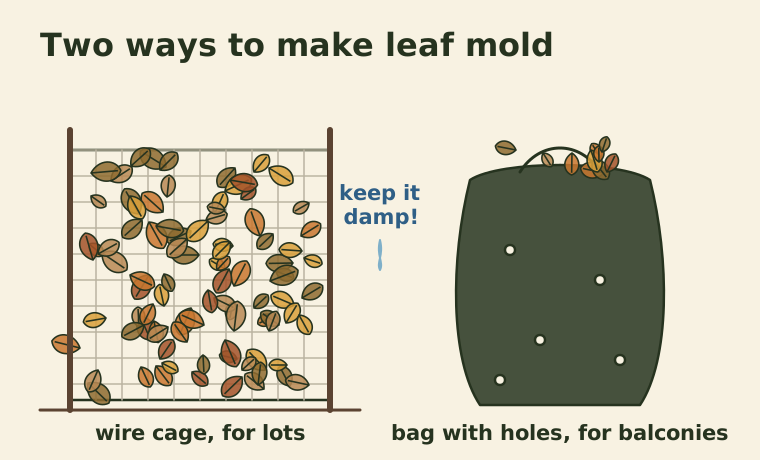
Method 1: The bag method (small gardens and balconies)
- Collect leaves after rain, or wet them thoroughly. Dry leaves barely decompose.
- Shred them if you can. Running a lawn mower over a pile of leaves a couple of times, with the collection box on, cuts them up and speeds the process by months.
- Fill a large bag. Reused compost or soil bags are perfect. Pack the leaves in firmly.
- Add water until the leaves are damp right through, then tie the bag loosely.
- Poke holes in the sides and bottom with a garden fork, so some air gets in and excess water drains out.
- Store the bag out of the way, in shade. Behind a shed or under a bench is ideal.
- Check every few months. If the leaves are dry, add water.
Method 2: The wire cage (larger amounts)
- Make a cage of chicken wire or mesh, about 1 meter across and 1 meter high, held up by four stakes.
- Fill it with leaves in layers, wetting each layer as you go.
- Tread the pile down to compact it. It will shrink a lot as it settles.
- In dry weather, water it now and then. A layer of cardboard or an old sack on top helps hold moisture.
There is no need to turn leaf mold. The fungi that do the work prefer to be left alone.
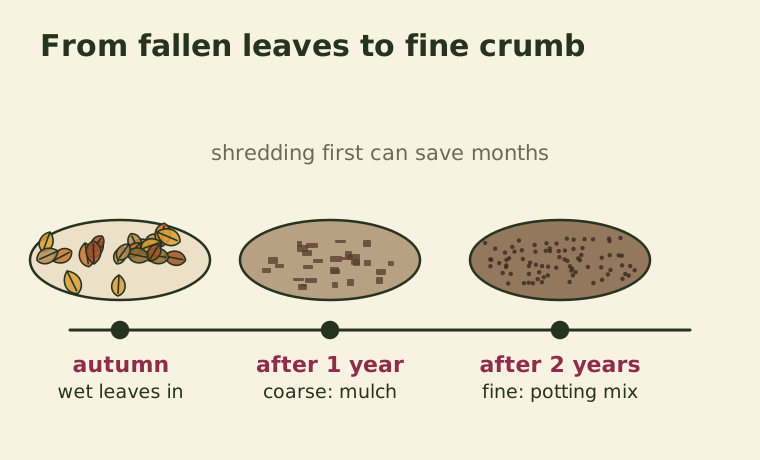
How long it takes
- After about 1 year: the leaves are dark, soft and broken into pieces. This "young" leaf mold is an excellent mulch.
- After about 2 years: it becomes fine and crumbly, like dark brown cake crumbs. This mature leaf mold can be used in potting mixes and for sowing seeds.
Shredding, keeping the pile damp and using fast-rotting leaves can bring that time down noticeably.
How to use leaf mold
- Mulch: spread a layer 5 to 8 centimeters thick around shrubs, perennials and vegetables. It suppresses weeds and keeps soil moist. See our guide to mulching to save water.
- Soil improver: dig it into heavy clay to open it up, or into sandy soil to help it hold water.
- Potting mix: mature, sieved leaf mold can replace part of the compost or coir in homemade potting mix, as in our container growing guide. Use about one-third leaf mold.
- Seed sowing: fine leaf mold mixed with sand makes a gentle, low-nutrient medium that seedlings like.
- Lawn top-dressing: sieve it and brush a thin layer into the lawn in autumn.
Leaf mold vs. compost
| Leaf mold | Compost | |
|---|---|---|
| Made by | Mostly fungi, slowly and cool | Mostly bacteria, faster and warmer |
| Ingredients | Leaves only | Mix of greens and browns |
| Nutrients | Low | Moderate |
| Water holding | Excellent | Good |
| Time | 1 to 2 years | 3 to 12 months |
| Best for | Soil structure, mulch, seed mixes | Feeding soil and plants |
The two work best together: compost feeds the soil, and leaf mold builds its structure.
Common questions
Do I need to add anything to speed it up? No. Some gardeners add a handful of grass clippings or a little compost to give the microbes a start, but plain damp leaves work fine.
Will it make my soil acidic? Most leaf mold is close to neutral. Mold made mostly from pine needles or oak leaves can be slightly acidic, which acid-loving plants such as blueberries appreciate.
Can I collect leaves from a park? Ask first. Many councils are happy to let you take them, or even deliver them. Avoid leaves that may have been sprayed or are full of litter.
Making leaf mold takes a few minutes in autumn and almost no work after that. Two years later, you have a supply of one of the best soil conditioners there is, made from something most people throw away.
Keep reading
-
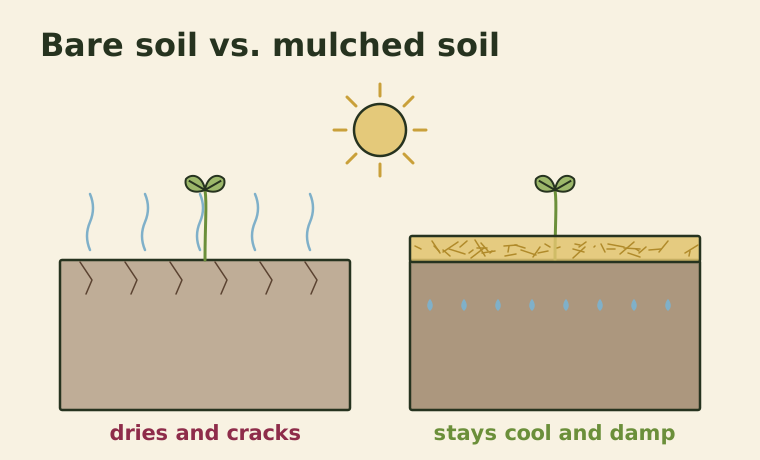 Water & Energy
Mulching to Save Water: The Easiest Way to Cut Garden Watering
How mulch keeps soil moist, which materials to use for vegetables, borders and containers, how thick to spread it, and the mistakes to avoid.
-
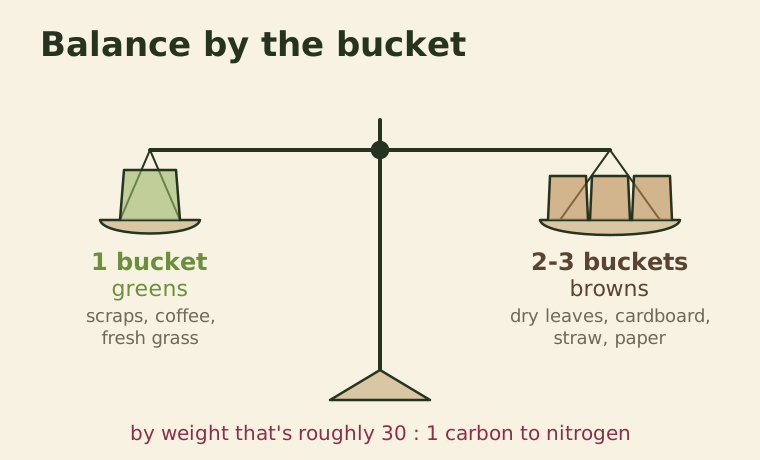 Composting
The Green and Brown Compost Ratio, Explained Without the Math Headache
Why the 30:1 carbon to nitrogen number confuses people, how to translate it into buckets, and how to fix a pile that smells or won't heat up.
-
 Composting
How to Start Composting at Home: A Beginner's Setup That Actually Works
Choose a bin, find the right spot, learn the two ingredients that matter, and get your first finished compost in three to six months.