
Zero Waste Bathroom Swaps: 10 Changes That Cut Plastic Without Hassle
Bars instead of bottles, refills, safety razors and reusable pads. Practical bathroom swaps, what they cost, and how to make them work.
On this page
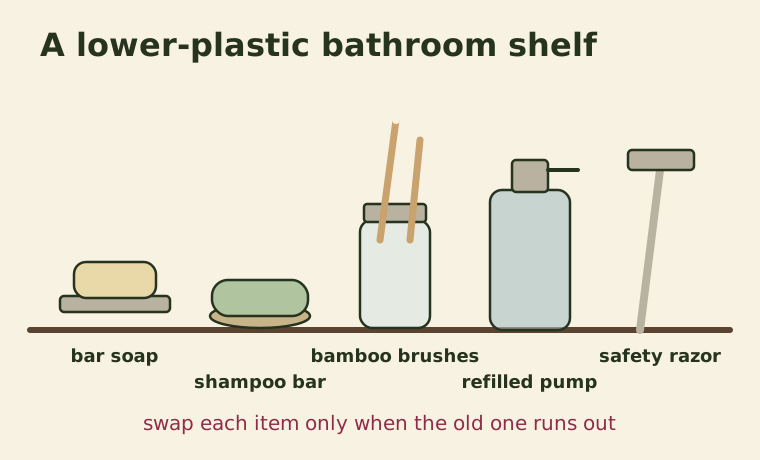
- 1. Bar soap instead of liquid soap and shower gel
- 2. Shampoo and conditioner bars
- 3. Refill instead of replace
- 4. A safety razor instead of disposables
- 5. Bamboo or replaceable-head toothbrushes
- 6. Toothpaste tablets or recyclable tubes
- 7. Reusable cotton pads instead of disposables
- 8. Cloth instead of wipes
- 9. Paper cotton buds and silk or plant-based floss
- 10. Reusable menstrual products
- What do the swaps cost?
- Cleaning the bathroom with less waste
- Dealing with what's left
The bathroom is the second biggest source of household packaging after the kitchen. Shampoo and shower gel bottles, toothpaste tubes, disposable razors, cotton pads and wipes add up quickly, and much of it is hard to recycle because it is made of mixed materials or is too small to sort.
The good news is that many bathroom products have well-established alternatives that work just as well. As with any swap, finish what you already have first, then replace items one at a time as they run out.
1. Bar soap instead of liquid soap and shower gel
Bar soap does the same job with minimal packaging, often just paper or nothing at all. It also lasts longer per wash than many liquid soaps.
Make it work: keep bars on a draining soap dish so they dry between uses. A soggy bar dissolves fast. A cotton or sisal soap bag also works in the shower.
2. Shampoo and conditioner bars
These take a little adjustment. Rub the bar directly on wet hair, or lather it in your hands. People with hard water or long hair sometimes need to try a couple of brands to find one that suits them, and an occasional diluted vinegar rinse can help remove residue.
Make it work: give it two or three weeks. Hair often feels different during the first few washes.
3. Refill instead of replace
If you prefer liquid products, many refill shops, and some supermarkets, offer shampoo, conditioner, hand soap and body wash from bulk containers. Bring back the same bottle each time, or use a pump bottle or a clean glass jar.
Buying the largest available size and decanting into a smaller bottle is a simpler step that still cuts packaging per use.
4. A safety razor instead of disposables
A metal safety razor lasts for decades. Only the steel blade is replaced, and blades cost very little. Used blades should be collected in a closed metal tin or a dedicated "blade bank" and taken to scrap metal recycling or disposed of according to local guidance, so they do not injure waste workers.
Make it work: use a light touch and a shallow angle, and let the weight of the razor do the work. Expect a learning curve of a week or two.
5. Bamboo or replaceable-head toothbrushes
Most toothbrushes are made of mixed plastics and cannot be recycled. Bamboo handles can be composted after removing the bristles, which are usually nylon. Another option is a brush with a durable handle and a replaceable head. For electric toothbrushes, look for brands with head recycling programs.
6. Toothpaste tablets or recyclable tubes
Most toothpaste tubes are made from layered plastic and aluminum and are not recyclable. Some brands now make tubes from a single recyclable plastic. Toothpaste tablets in glass jars or paper refills are another option: you chew one, then brush with a wet brush. If you switch, choose tablets with fluoride, which dentists widely recommend for preventing tooth decay.
7. Reusable cotton pads instead of disposables
Washable cotton or bamboo rounds replace disposable cotton pads for removing makeup or applying toner. Keep a small mesh laundry bag in the bathroom and wash them with your towels.
8. Cloth instead of wipes
Wet wipes contain plastic fibers and are a major cause of sewer blockages, even when labeled "flushable". A washcloth with soap and water does the same job for faces and hands. Never flush wipes, cotton pads, dental floss or cotton buds.
9. Paper cotton buds and silk or plant-based floss
Choose cotton buds with paper stems, which can be composted. For floss, compostable silk or plant-based options come in refillable glass or metal containers, and interdental brushes with replaceable heads are an alternative.
10. Reusable menstrual products
Menstrual cups, period underwear and washable cloth pads replace years of disposable products. A good-quality cup can last several years when cared for according to the manufacturer's instructions. These products are a personal choice and take some adjustment; there is no single right option.
What do the swaps cost?
| Swap | Upfront cost | Ongoing cost | Typical payback |
|---|---|---|---|
| Bar soap | Same or less | Same or less | Immediate |
| Shampoo bar | Slightly more per item | Lasts as long as 2–3 bottles | A few months |
| Safety razor | Moderate | Very low (blades) | Months |
| Reusable cotton pads | Low | None | A few months |
| Menstrual cup | Moderate | None | Several months |
| Bamboo toothbrush | Similar to plastic | Similar | Immediate |
Costs vary by brand and country, but most swaps save money over time because you stop buying single-use items.
Cleaning the bathroom with less waste
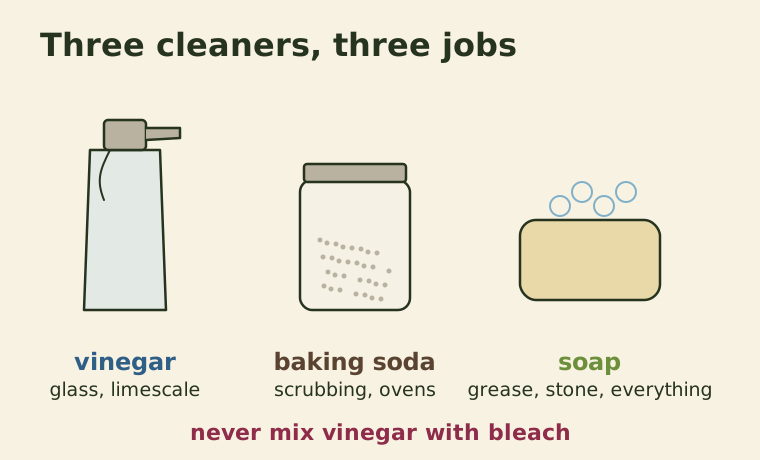
Vinegar dissolves limescale on taps and shower screens, baking soda scrubs sinks and tubs, and soap handles everything else. Our guide to natural cleaners has recipes, along with an important safety warning: never mix vinegar with bleach.
Dealing with what's left
Even after swapping, some bathroom packaging will remain. Rinse out bottles and check your local program: rigid plastic bottles made of PET (1) and HDPE (2) are widely recycled, while pumps and tubes usually are not. Our guide to recycling symbols explains the numbers on the bottom.
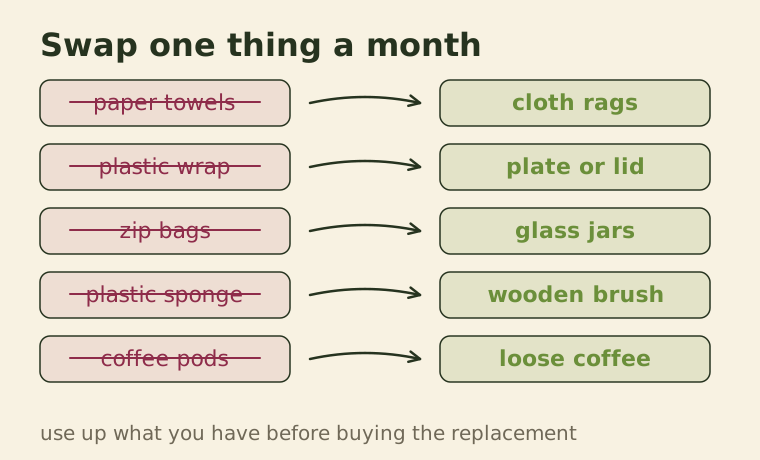
Start with the item you buy most often, often shower gel or disposable razors. One swap a month, as with our kitchen swaps, quietly removes a bin bag's worth of plastic over a year.
Keep reading
-
 Zero Waste Home
Natural Cleaners With Vinegar and Baking Soda: Recipes and Safety Rules
What vinegar, baking soda and soap each clean best, five simple recipes, which surfaces to avoid, and the chemical mixes you must never make.
-
 Zero Waste Home
12 Zero Waste Kitchen Swaps That Are Actually Easy to Keep Up
Simple replacements for the most common disposables in the kitchen, ordered from easiest to more committed, and the habits that make them stick.
-
 Reuse & Upcycling
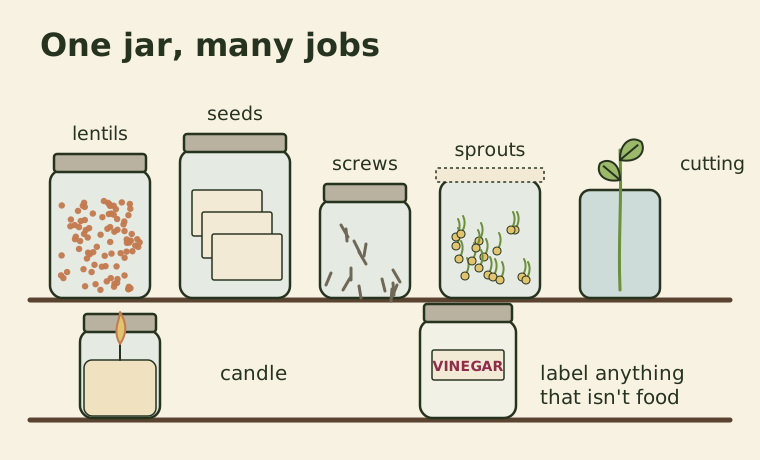
15 Practical Ways to Reuse Glass Jars Around the House
How to remove labels and smells from jars, plus fifteen genuinely useful second jobs for them in the kitchen, garden and workshop.