
Regrow Vegetables From Kitchen Scraps: What Works and What's Just a Nice Idea
Green onions, lettuce, celery, garlic, potatoes and more. Which scraps really regrow into food, how to do it, and what to expect from each.
On this page
Videos of lettuce growing back from a stump in a dish of water are everywhere. Some of these regrowing tricks really do produce food, some produce a few leaves before giving up, and some only work if you plant the scrap in soil and treat it as a new crop. Knowing which is which saves disappointment and makes this a genuinely useful way to get more from what you buy.
How regrowing works
Many vegetables still contain living tissue that can sprout:
- Bulb and stem bases (green onions, leeks, celery, lettuce) have a growing point at the base where new leaves form.
- Tubers and cloves (potatoes, sweet potatoes, garlic, ginger) are storage organs designed to sprout and grow a new plant.
- Seeds inside fruit (peppers, tomatoes, squash) can be sown, though plants from shop-bought fruit may not match the parent, especially if it was a hybrid.
Water alone gets most scraps started, but almost all of them need soil to keep growing beyond a few weeks.
Reliable: worth doing
Green onions (scallions)
The best regrowing crop by far.
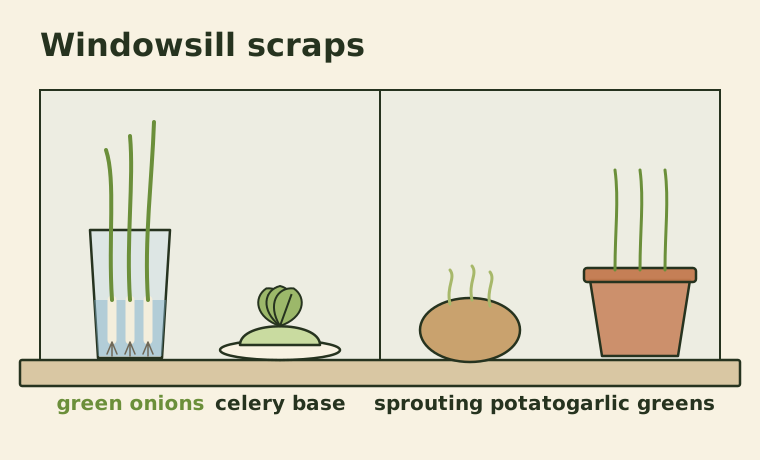
- Cut off the green tops for cooking, leaving about 3 to 5 centimeters of white base with roots attached.
- Stand the bases in a glass with enough water to cover the roots.
- Change the water every couple of days.
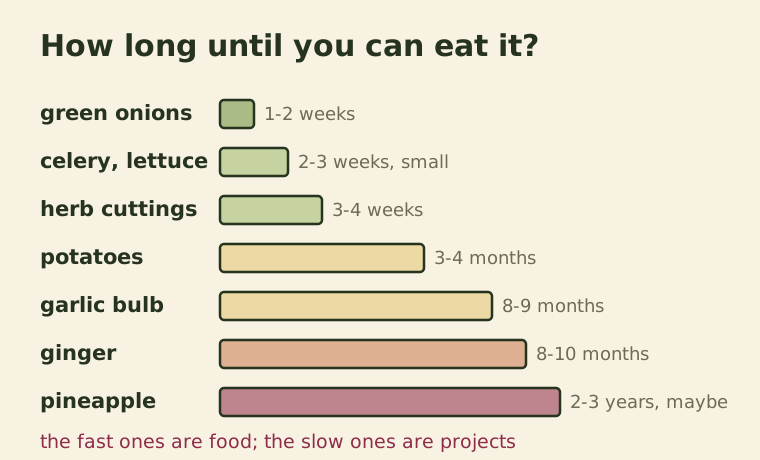
- Within a week, new green shoots appear. Harvest them when they are 15 centimeters tall.
You can regrow them in water three or four times, though each regrowth gets thinner. For much better results, plant the bases in a pot of soil, where they will keep producing for months.
Leeks
Leeks work the same way as green onions. Keep a few centimeters of the root end, start it in water, and transplant it to soil once new growth appears.
Garlic
A clove planted pointy end up, 2 to 3 centimeters deep, will grow into a full bulb, but it takes a long time, often eight to nine months, and needs a cold period in many varieties. For quicker results, plant cloves in a pot and harvest the green shoots (garlic greens) after a few weeks, which taste like mild garlic.
Shop garlic is sometimes treated to stop sprouting. Garlic from a farmers' market or a seed supplier is more reliable.
Potatoes
A potato with sprouting eyes can be cut into pieces, each with at least two eyes, left to dry for a day, then planted about 10 centimeters deep. One piece can produce several new potatoes in three to four months.
Two cautions: shop potatoes can carry diseases, and some are treated with sprout inhibitors. Certified seed potatoes are the safer choice for a bed. A large container or grow bag works well.
Partly reliable: fun, but limited
Celery
Stand the base (about 5 centimeters) in a shallow dish of water. New leaves sprout from the center within days. In water you get a handful of thin stalks and leaves, good as a garnish or for stock. Planted in rich soil and kept well watered, it can produce more, but rarely a full-size head.
Romaine lettuce and bok choy
The stump sprouts a few new leaves in water, and it is a great project with children. Expect a small handful of leaves, not a new head. The plant usually bolts (flowers) or rots after a few weeks.
Herbs from cuttings
Basil, mint, oregano and rosemary sprigs from the shop often root in a glass of water within a couple of weeks. Strip the lower leaves, change the water regularly, and pot them up once roots appear. Basil and mint are the easiest. See our balcony herb garden guide for what to do next.
Slow projects: for patience, not dinner
- Ginger: plant a plump piece with visible buds just under the soil surface in a pot. It needs warmth and takes eight to ten months to produce a harvest.
- Sweet potato: suspend one half in water with toothpicks. It grows leafy shoots called slips, which can be twisted off and planted. It needs a long, warm season.
- Pineapple: twist off the top, remove the lower leaves, let it dry, then root it in water or soil. It makes an attractive houseplant, but fruiting takes two to three years, if it happens at all.
- Avocado: a pit suspended in water roots and grows into a tree, but trees grown from seed take many years to fruit, and the fruit is often not like the original.
Tips for success
- Change the water every one to two days. Stagnant water grows bacteria and rots the scraps.
- Use shallow water. Only the base and roots should be submerged, not the cut top.
- Give them light. A bright windowsill is ideal, out of hot direct afternoon sun.
- Move to soil early. Scraps run out of stored energy in water, so pot them once roots appear.
- Expect some failures and compost them. Not every scrap is healthy enough to grow.
Is it worth it?
Regrowing scraps will not replace a vegetable garden, but some crops are genuinely productive. A pot of regrown green onions on a windowsill can save buying them for most of the year, and herb cuttings are a free way to start a herb garden. Everything else is a good way to learn how plants grow, especially with children.
If you want a bigger, more reliable harvest, start from seed instead. Our guide to starting seeds indoors and our list of the easiest vegetables for beginners are the next step.
Keep reading
-
 Zero Waste Home
How to Reduce Food Waste at Home: Plan, Store, Use Up
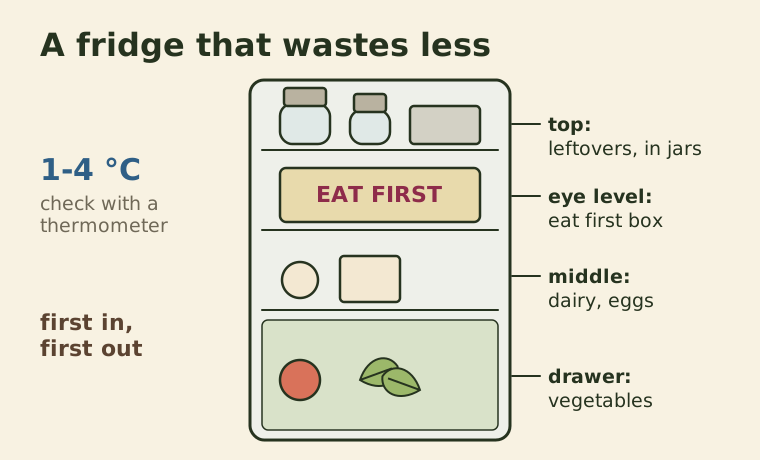
Where household food waste comes from, how to shop and store to prevent it, what date labels really mean, and how to use up scraps before composting.
-
 Growing Food
10 Easiest Vegetables to Grow for Beginners (and How Not to Kill Them)
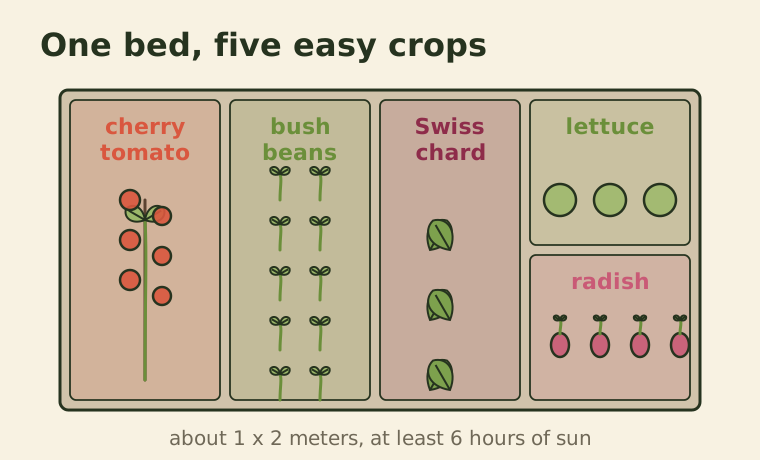
Ten forgiving crops for a first vegetable garden, with spacing, time to harvest and the one mistake to avoid for each.
-
 Growing Food
How to Start Seeds Indoors: From Tray to Transplant
Containers, seed-starting mix, light, water and timing. A step-by-step guide to raising strong vegetable seedlings on a windowsill or under a lamp.