
How to Grow a Balcony Herb Garden That Lasts All Year
Which herbs suit sun, shade and wind, how to group them by water needs, and how to harvest so plants keep producing instead of fading.
On this page
Herbs are the perfect first crop for a balcony. They are expensive to buy fresh, you only need a little at a time, and most of them grow happily in pots. A few well-chosen plants can supply your kitchen for most of the year and cut down on the plastic clamshells that supermarket herbs come in.
The secret to a herb garden that keeps going is matching each herb to the conditions on your balcony, and grouping plants that like the same treatment.
Two families of herbs
Most common culinary herbs fall into two groups with very different needs.
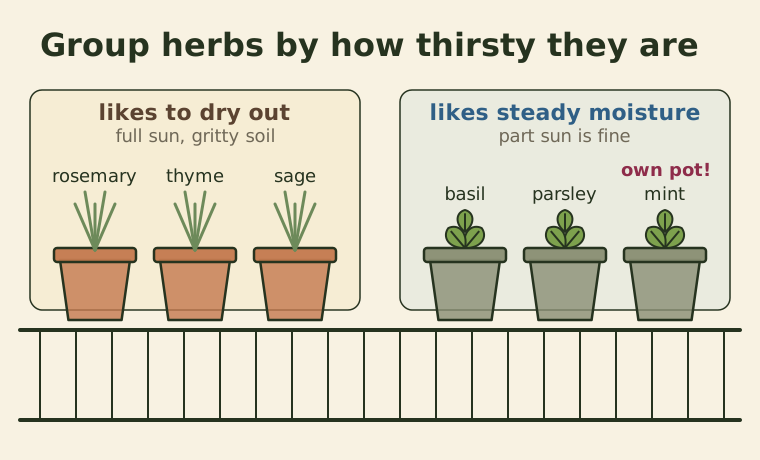
Mediterranean herbs come from hot, dry, rocky hillsides. They want full sun, gritty soil that drains fast, and they prefer to dry out between waterings. Overwatering is what kills them.
- Rosemary, thyme, oregano, sage, lavender, marjoram
Leafy, soft herbs grow fast and like steady moisture and richer soil. Many tolerate some shade. Letting them dry out is what kills them.
- Basil, parsley, cilantro, chives, mint, dill
Match herbs to your balcony
| Balcony conditions | Herbs that do well |
|---|---|
| Full sun, 6+ hours | Rosemary, thyme, oregano, sage, basil, lavender |
| Part sun, 3–5 hours | Parsley, chives, mint, cilantro, dill, lemon balm |
| Shade, under 3 hours | Mint, parsley, chives (slower growth) |
| Windy and exposed | Rosemary, thyme, oregano, chives in heavy pots |
| Hot in the afternoon | Mediterranean herbs; give basil afternoon shade |
Spend a day watching how sun moves across your balcony before you buy plants. Many balconies have strong sun for only part of the day.
Pots and soil
Give each herb its own pot, or share pots only among herbs with the same needs. A pot of at least 15 centimeters wide and deep suits most herbs. Rosemary, sage and lavender grow into small shrubs and do best in 5 to 10 liter pots.
Mix for Mediterranean herbs: two parts potting compost to one part grit, perlite or coarse sand. Terracotta pots help, because they breathe and dry out faster.
Mix for leafy herbs: standard potting compost with a handful of worm castings or compost. Plastic or glazed pots hold moisture longer, which these herbs like.
Always use pots with drainage holes. On windy balconies, heavier ceramic or terracotta pots are less likely to tip over.
Mint: always alone
Mint spreads through underground runners and will take over any pot it shares. Always give it its own container. It is one of the few herbs that thrives in a shady, damp corner, and it is almost impossible to kill as long as it gets water.
Watering by group
- Mediterranean herbs: water deeply, then wait until the top few centimeters are dry. In summer that might be every few days; in winter, once every week or two.
- Leafy herbs: check daily in warm weather and keep the soil evenly moist. Basil wilts quickly in hot weather but recovers fast once watered.
A saucer under thirsty herbs gives them a small reserve, but empty it if water is still sitting there an hour after watering.
Harvest to keep plants producing
How you harvest determines how long your herbs last.
- Basil: Pinch off the top pair of leaves just above a leaf joint. Two new shoots grow from that point. Remove flower buds as soon as they appear, because flowering makes the leaves smaller and bitter.
- Parsley and cilantro: Cut outer stems at the base and leave the center growing.
- Chives: Cut a bunch about 3 centimeters above the soil. They regrow within a couple of weeks.
- Rosemary, thyme, sage, oregano: Snip the soft green tips. Avoid cutting into old woody stems, which often do not regrow.
- Mint: Cut stems back hard whenever it gets leggy. It always comes back.
Never take more than about one-third of a plant at once.
Feeding
Herbs do not need much fertilizer. Too much makes them grow fast with less flavor. A top-dressing of compost or worm castings in spring is enough for Mediterranean herbs. Basil and parsley appreciate a diluted liquid feed every three to four weeks during summer.
Keeping herbs through winter
- Perennials like rosemary, thyme, sage, oregano, chives and mint survive mild winters outdoors. In cold climates, move pots against a wall, wrap them, or bring rosemary indoors to a bright, cool windowsill.
- Annuals like basil, cilantro and dill finish their life cycle in one season. Take cuttings of basil in late summer and root them in a glass of water to grow on indoors.
- Parsley is a biennial. It keeps producing through its first winter and flowers in the second year.
Preserving the surplus
When herbs are growing faster than you can use them, preserve them instead of letting them flower.
- Dry woody herbs by hanging small bunches upside down in a shaded, airy spot, then store the leaves in a reused glass jar.
- Freeze chopped soft herbs in ice cube trays covered with olive oil or water.
- Blend basil into pesto and freeze it in small portions.
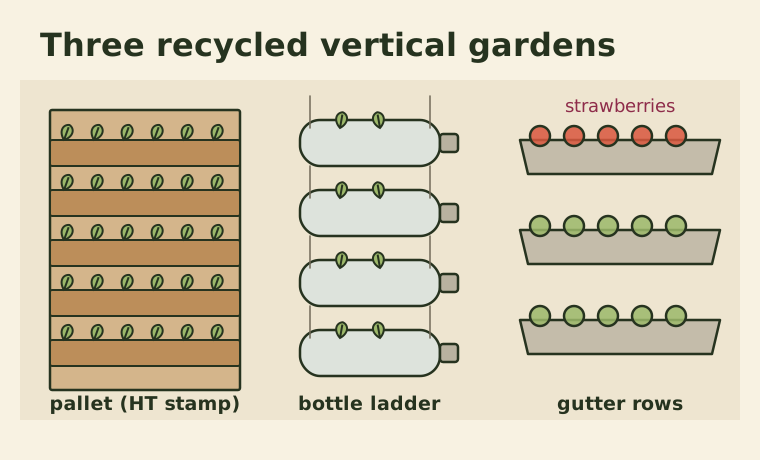
If your balcony is short on floor space, take your herbs upward with a vertical garden made from recycled materials.
Keep reading
-
 Small-Space Gardening
Build a Vertical Garden From Recycled Materials: Pallets, Bottles and Gutters
Three vertical garden builds using reclaimed materials, with what to grow in each, how to water them, and the safety checks to do first.
-
 Composting
Vermicomposting for Beginners: How to Set Up and Run a Worm Bin
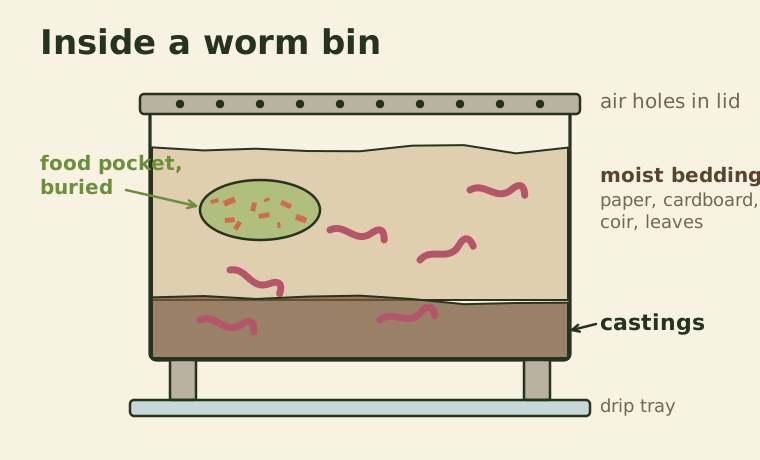
A worm bin turns kitchen scraps into rich castings indoors or on a balcony. Here's how to build one, feed it, and keep it from smelling.
-
 Small-Space Gardening
Growing Vegetables in Containers: Pot Sizes, Soil Mix and Watering
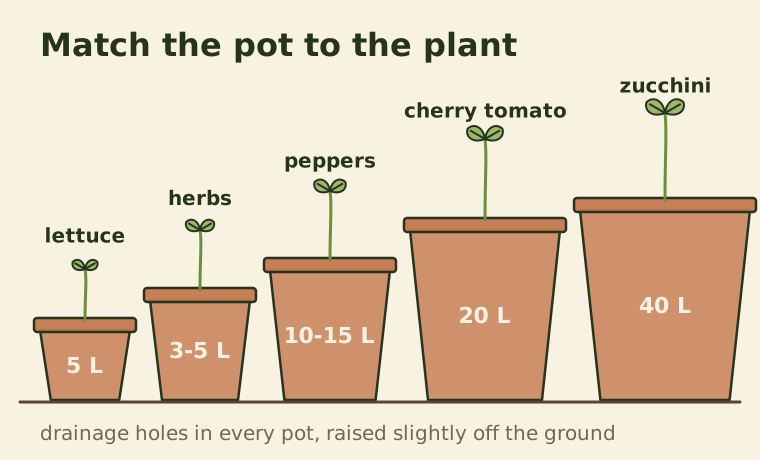
How big each pot should be, how to mix a potting soil that doesn't compact, and a watering routine that keeps container crops healthy.