
What to Do With Old T-Shirts: 8 No-Sew and Simple-Sew Upcycling Projects
Turn worn-out t-shirts into bags, rags, yarn, plant ties and more, plus how to decide what to donate, upcycle or send to textile recycling.
On this page
The fashion industry produces enormous amounts of textile waste, and only a small fraction of discarded clothing is recycled into new fibers. T-shirts are among the most common items in that stream. They wear out at the collar, get stained, or simply stop fitting.
Before a t-shirt reaches the end of the road, it can usually do one more useful job. The knit cotton they are made from is soft, stretchy, absorbent and does not fray much when cut, which makes it very easy to work with, even if you cannot sew.
First, sort your pile
| Condition | Best option |
|---|---|
| Wearable, clean, no damage | Donate, sell or swap |
| Stained or worn but fabric is sound | Upcycle (bags, yarn, rags) |
| Holes and thin spots | Rags, plant ties, stuffing |
| Completely worn out | Textile recycling bank or collection |
Clothes in poor condition should not go to charity shops, which often have to pay to dispose of unusable items. Use a textile recycling bank instead, where worn fabric is sorted for fiber recycling, insulation or wiping cloths.
No-sew projects
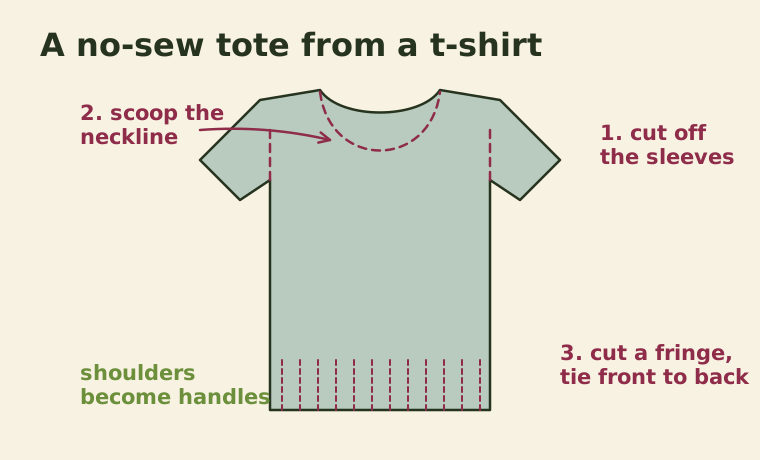
1. Tote bag
- Lay the shirt flat and cut off both sleeves just inside the seams.
- Cut a scooped opening around the neckline to make the bag's mouth. The shoulders become the handles.
- Turn the shirt inside out. Cut a fringe along the bottom hem, about 8 centimeters deep, with strips about 2 centimeters wide.
- Tie each front strip to the strip directly behind it with a double knot.
- Turn the bag right side out so the knots are hidden inside.
It is ideal for groceries, the library or as a gym bag, and it stretches to carry more than you expect.
2. T-shirt yarn
Cut the shirt body into one long continuous strip by cutting in a spiral, or cut loops and join them. Pull each section firmly so the edges curl into a tube. This "t-yarn" can be crocheted or finger-knitted into rugs, baskets, coasters and bath mats. One adult shirt gives roughly 20 to 30 meters of yarn, depending on size.
3. Plant ties
Cut soft strips about 2 centimeters wide to tie tomato stems, climbing beans and young trees to stakes. Unlike wire or plastic ties, t-shirt strips stretch as the stem grows and do not cut into it. At the end of the season, cotton ties can go into the compost.
4. Cleaning rags
Cut shirts into squares of about 25 by 25 centimeters. Cotton rags replace paper towels for wiping spills, cleaning windows (with a vinegar solution) and dusting. Keep a basket in the kitchen and wash them with your towels. See our zero waste kitchen swaps for more ways to cut disposables.
5. Wicks for self-watering planters
A 2 centimeter strip of 100 percent cotton t-shirt makes an excellent wick for a bottle planter. It draws water reliably and costs nothing.
Simple-sew projects
6. Reusable produce bags
Cut a rectangle from the shirt body and sew up two sides. Thread a cord or a strip of t-shirt through a fold at the top for a drawstring. Lightweight bags are perfect for loose fruit and vegetables.
7. Pillow covers
Cut the front and back of a shirt with a printed design to cushion size, place them right sides together and sew around three sides. Turn it out, insert the cushion and hand-sew the last side, or add buttons. It is a good way to keep a shirt with sentimental value.
8. Pet beds and toys
Old shirts make a soft pet bed when stuffed with other fabric scraps and sewn shut. For dogs, braid three thick strips tightly into a tug toy and knot the ends. Supervise pets with new toys, and remove them once they start to come apart.
Making clothes last longer
The most sustainable t-shirt is one that stays in use. A few habits make a real difference:
- Wash in cold water and on shorter cycles. It is gentler on fibers and uses less energy.
- Turn printed shirts inside out before washing.
- Air-dry instead of tumble drying when possible. Dryers shrink cotton and wear it out faster, and they use a lot of electricity.
- Repair small holes and seams early, before they spread.
- Buy fewer, better-made basics.
Choosing what to keep
Do not keep every old shirt "for projects". A drawer of fabric you never use is just clutter. Pick one or two projects, set aside enough material for those, and send the rest to donation or textile recycling.
T-shirts are a small but satisfying place to start thinking differently about the things we throw away. Once you see a worn shirt as material instead of waste, it is easy to see the same potential in jars, bottles and boxes too.
Keep reading
-
 Recycling
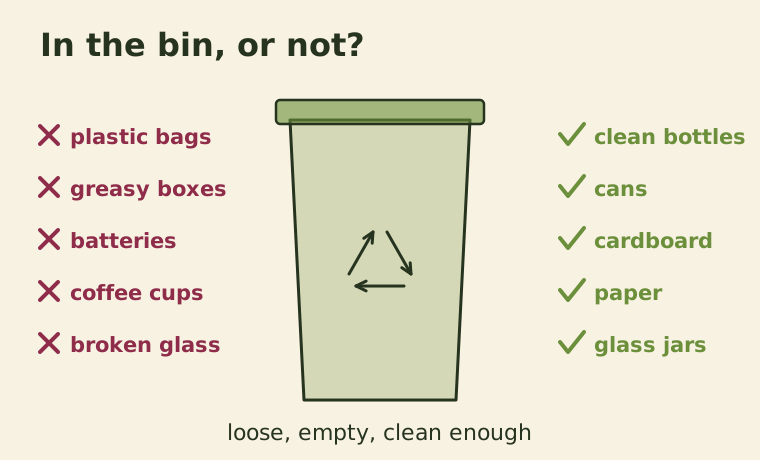
12 Common Recycling Mistakes That Send Good Material to Landfill
Wishcycling, bagged recyclables, greasy boxes and tiny items. The errors that contaminate recycling and how to fix each one.
-
 Zero Waste Home
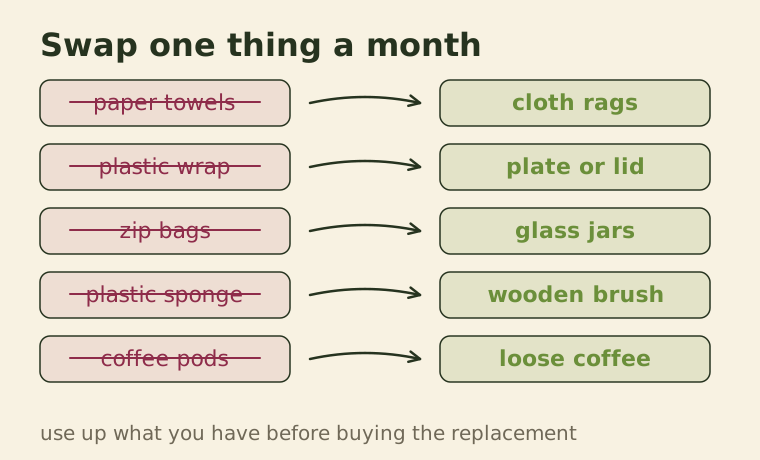
12 Zero Waste Kitchen Swaps That Are Actually Easy to Keep Up
Simple replacements for the most common disposables in the kitchen, ordered from easiest to more committed, and the habits that make them stick.
-
 Reuse & Upcycling
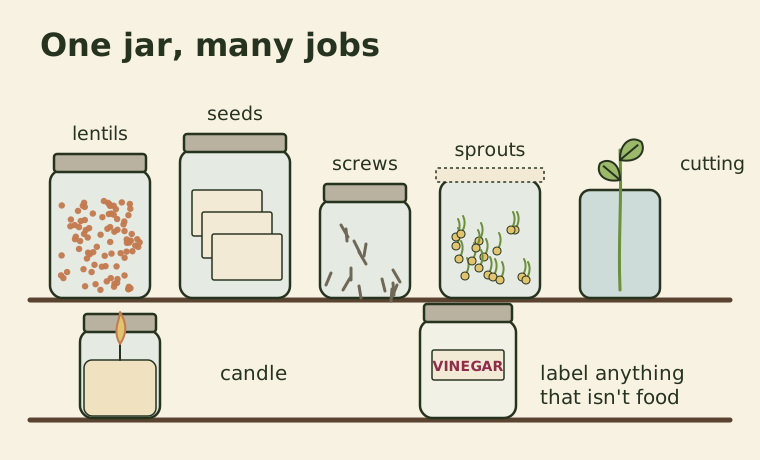
15 Practical Ways to Reuse Glass Jars Around the House
How to remove labels and smells from jars, plus fifteen genuinely useful second jobs for them in the kitchen, garden and workshop.