
Build a Vertical Garden From Recycled Materials: Pallets, Bottles and Gutters
Three vertical garden builds using reclaimed materials, with what to grow in each, how to water them, and the safety checks to do first.
On this page
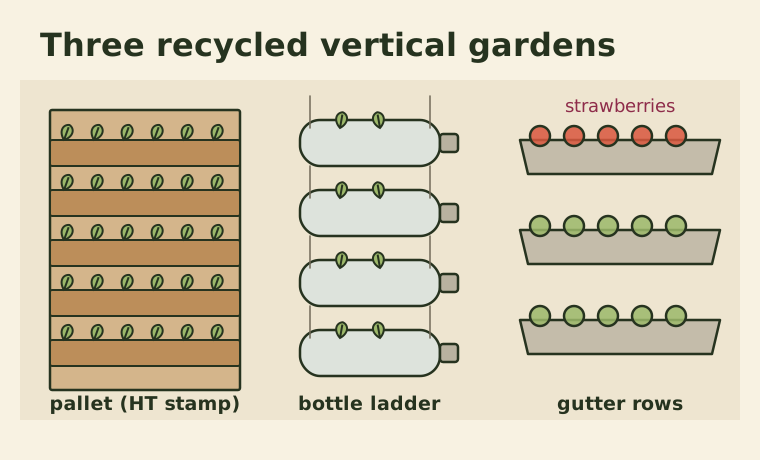
When floor space runs out, grow up. A vertical garden turns a bare wall, fence or balcony railing into growing space, and it is an excellent way to give discarded materials a second life. This guide covers three builds: a wooden pallet planter, hanging plastic bottle planters and a rain gutter garden. Each can be made in an afternoon with basic tools.
Before you build: check the wall and the weight
Wet soil is heavy. A 1 meter section of planted gutter can weigh 10 kilograms or more, and a full pallet planter can exceed 50 kilograms.
- Fix vertical gardens to solid structures: masonry walls, sturdy fences or well-anchored posts. Avoid hanging heavy planters from balcony railings unless you are sure they can take the load, and follow any building rules about attachments.
- Leave a small gap between planters and the wall so moisture does not damage it. A sheet of plastic or an old shower curtain behind a pallet protects walls from damp.
- Check sun exposure. A wall with four to six hours of sun suits herbs and leafy greens. A north-facing wall in the Northern Hemisphere (south-facing in the Southern) will be shady.
What grows well vertically
Vertical planters have shallow soil and dry out faster than ground beds, so choose compact, shallow-rooted plants.
| Good choices | Poor choices |
|---|---|
| Lettuce, arugula, spinach, mustard greens | Tomatoes (except tiny varieties) |
| Strawberries | Zucchini and squash |
| Thyme, oregano, chives, parsley, mint | Potatoes, carrots, other deep roots |
| Nasturtiums, marigolds | Corn |
| Succulents (for decorative walls) | Large peppers and eggplants |
Place drought-tolerant plants such as thyme and oregano at the top, where water drains away fastest, and thirstier plants like lettuce and mint lower down.
Build 1: Pallet planter
You need: a sound wooden pallet, landscape fabric or a few old feed sacks, a staple gun, potting mix, sandpaper and gloves.
Check the pallet first. Look for the stamp on the side. "HT" means heat-treated, which is safe for growing. Avoid pallets stamped "MB", which means they were fumigated with methyl bromide, and avoid pallets that are stained, oily or that smell of chemicals, since you cannot know what they carried. Unmarked pallets are best left for non-food projects.
- Sand rough edges and remove protruding nails.
- Lay the pallet face down. Staple a double layer of landscape fabric tightly across the back, bottom and sides, creating pockets between the slats.
- Lay it flat and fill it with potting mix through the front slats, pressing it in firmly.
- Plant through the gaps, starting from the bottom row, tightly spaced.
- Leave it lying flat for two weeks, watering normally, so roots bind the soil.
- Lift it upright and fix it securely to the wall.
Build 2: Hanging bottle planters
You need: 2-liter plastic bottles, a utility knife, strong cord or wire, and a few hooks or a board.
- Wash the bottles and remove labels.
- Lay each bottle on its side and cut a rectangular window on the upper side, about 10 by 15 centimeters.
- Poke four or five small drainage holes on the underside with a heated skewer or nail.
- Drill or pierce a hole near each end to thread cord through.
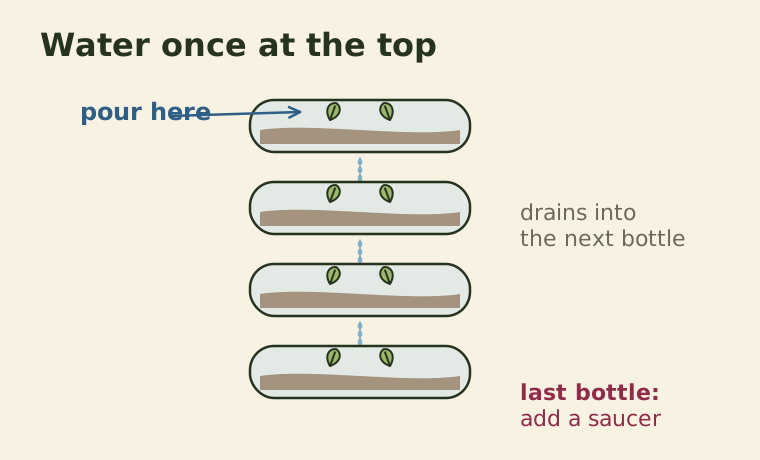
- Hang bottles in a ladder pattern, one above the other, so water dripping from the top bottle waters the next.
- Fill with potting mix and plant herbs or salad greens.
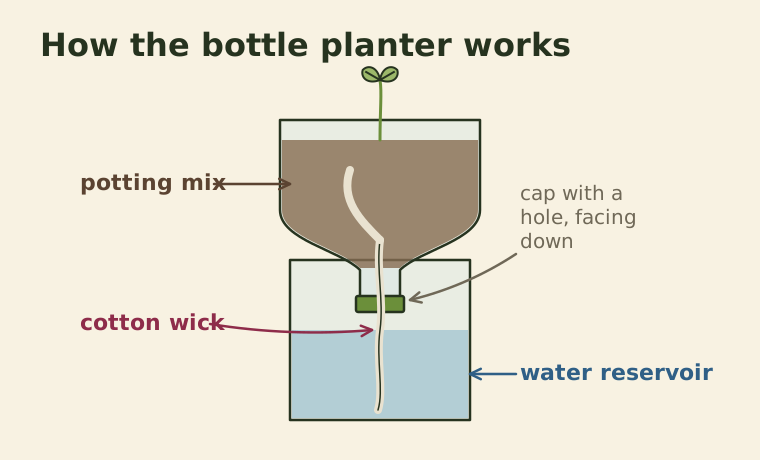
Bottle planters are light and cheap, but plastic in full sun breaks down over a season or two and gets hot. They do best in partial shade. For a self-watering version that sits on a shelf, see our bottle planter guide.
Build 3: Rain gutter garden
You need: lengths of old or offcut PVC or metal gutter, end caps, brackets and a drill.
- Cut gutters to the width of your wall or fence.
- Fit end caps and seal them with outdoor silicone if they leak.
- Drill drainage holes of about 6 millimeters every 15 centimeters along the bottom.
- Fix brackets to the wall at intervals of 40 to 50 centimeters vertically, so each row gets light.
- Fill with potting mix and plant shallow-rooted crops.
Gutters are ideal for strawberries, lettuce and herbs. They hold about 10 to 12 centimeters of soil, which is enough for these plants if you water often.
Watering a vertical garden
Vertical gardens dry out faster than anything else you grow, because they are exposed to wind and have little soil.
- Check moisture every day in warm weather.
- Water slowly from the top so it soaks in rather than running off.
- Mix coco coir into the potting soil to improve water retention.
- Consider a simple drip irrigation line along the top row, connected to a timer or a rain barrel.
Feeding and upkeep
Shallow soil runs out of nutrients quickly. Give a diluted liquid feed every two weeks during the growing season, and replace the top few centimeters of soil with fresh compost each spring. Remove spent plants promptly and replant the gaps so the wall stays productive.
Vertical gardens look best when planted densely. Combine edible plants with flowers like nasturtiums and marigolds, which attract pollinators and are edible themselves. For more container basics, see our full guide to growing vegetables in containers.
Keep reading
-
 Reuse & Upcycling
How to Make a Self-Watering Planter From a Plastic Bottle
A step-by-step build for a wicking bottle planter, with the right wick materials, what to grow in it, and how to keep it from going green or moldy.
-
 Small-Space Gardening
How to Grow a Balcony Herb Garden That Lasts All Year
Which herbs suit sun, shade and wind, how to group them by water needs, and how to harvest so plants keep producing instead of fading.
-
 Small-Space Gardening
Growing Vegetables in Containers: Pot Sizes, Soil Mix and Watering
How big each pot should be, how to mix a potting soil that doesn't compact, and a watering routine that keeps container crops healthy.