
12 Common Recycling Mistakes That Send Good Material to Landfill
Wishcycling, bagged recyclables, greasy boxes and tiny items. The errors that contaminate recycling and how to fix each one.
On this page
- 1. Wishcycling
- 2. Putting recyclables in plastic bags
- 3. Recycling plastic bags and film at curbside
- 4. Leaving food and liquid in containers
- 5. Greasy pizza boxes
- 6. Coffee cups and cartons
- 7. Tiny items
- 8. Mixed-material items
- 9. Batteries in the bin
- 10. Broken glass, mirrors and cookware
- 11. Hazardous containers that are not empty
- 12. Textiles and hoses in the bin
- A simple sorting routine at home
- Remember the order
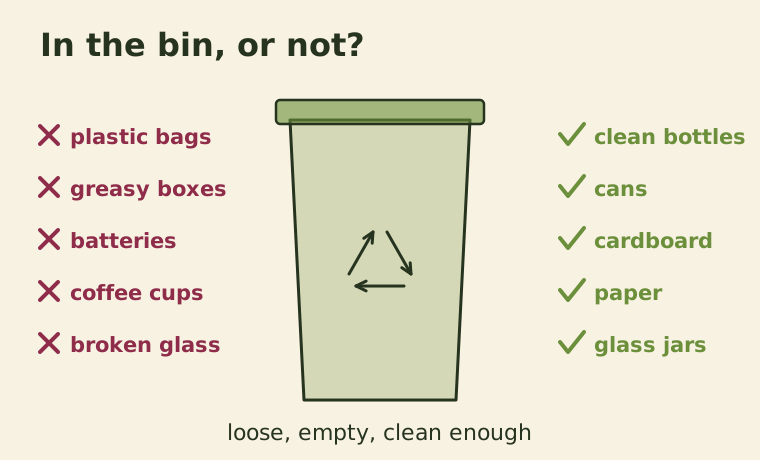
Recycling only works when the material that reaches the sorting facility is clean and the right type. When it is not, whole loads can be downgraded or sent to landfill, and machines get jammed by items that never should have been there. Recycling facilities consistently report that contamination is one of their biggest costs.
The good news is that most contamination comes from a handful of habits. Fixing them takes no extra time once you know them.
1. Wishcycling
Wishcycling is putting something in the recycling bin because you hope it can be recycled. It feels responsible, but items the system cannot handle end up as contamination.
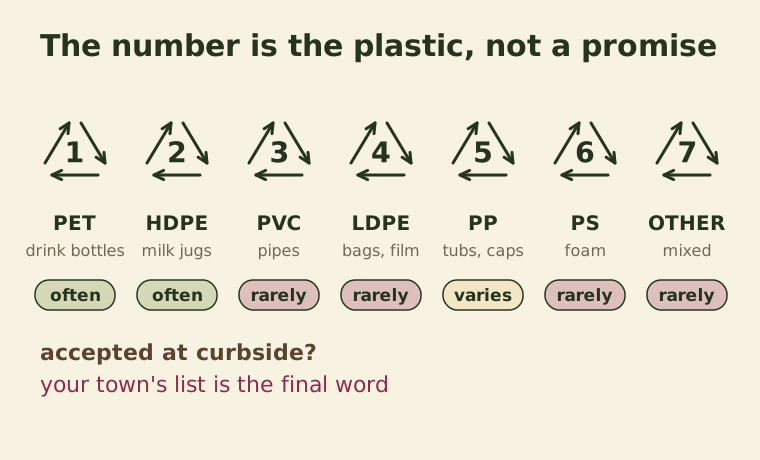
Fix: Learn your local accepted list and stick to it. If you are not sure, leave it out. Our guide to recycling symbols explains why a triangle on the bottom of a container is not a guarantee.
2. Putting recyclables in plastic bags
Many people collect recyclables in a plastic bag and throw the whole bag in the bin. At most facilities, bagged items are pulled off the line and landfilled, because workers cannot safely open them and bags wrap around sorting machinery.
Fix: Put recyclables in the bin loose, unless your local program specifically asks for bags.
3. Recycling plastic bags and film at curbside
Plastic bags, bubble wrap, bread bags and cling film are among the worst offenders. They tangle around spinning screens and force facilities to stop for cleaning.
Fix: Collect clean, dry film and take it to a store drop-off point if one exists near you. Better still, cut down on film with reusable bags and containers.
4. Leaving food and liquid in containers
A half-full yogurt pot or a bottle of juice can soak paper and cardboard and ruin them. Food residue also attracts pests during storage.
Fix: Empty containers completely and give them a quick rinse. They do not need to be spotless. A swirl of leftover dishwater is enough.
5. Greasy pizza boxes
Paper fibers soaked with oil cannot be separated properly during pulping. Heavily greasy cardboard can reduce the quality of the whole batch.
Fix: Tear off and recycle the clean top half. Put the greasy part in the compost bin, where it breaks down well, or in the trash if you do not compost. Some programs now accept pizza boxes whole, so check your local rules.
6. Coffee cups and cartons
Most disposable coffee cups look like paper but have a thin plastic lining that standard paper mills cannot remove. Drink cartons (milk, juice) are layered with plastic and sometimes aluminum.
Fix: Check locally. Cartons are accepted in many places because specialist mills handle them. Cups usually are not, though some chains run separate collection. A reusable cup avoids the question entirely.
7. Tiny items
Bottle caps, small lids, shredded paper and anything smaller than a credit card often fall through the sorting screens and end up in the waste stream or mixed into glass.
Fix: Follow local guidance. Many programs now ask you to screw caps back onto empty plastic bottles so they travel together. Shredded paper is often better composted.
8. Mixed-material items
Items glued from different materials, such as padded envelopes with bubble lining, toothpaste tubes and toys with metal parts, are very hard to separate.
Fix: Separate materials when you can (remove plastic windows from envelopes, cardboard sleeves from plastic trays). Otherwise, treat them as trash unless there is a dedicated program.
9. Batteries in the bin
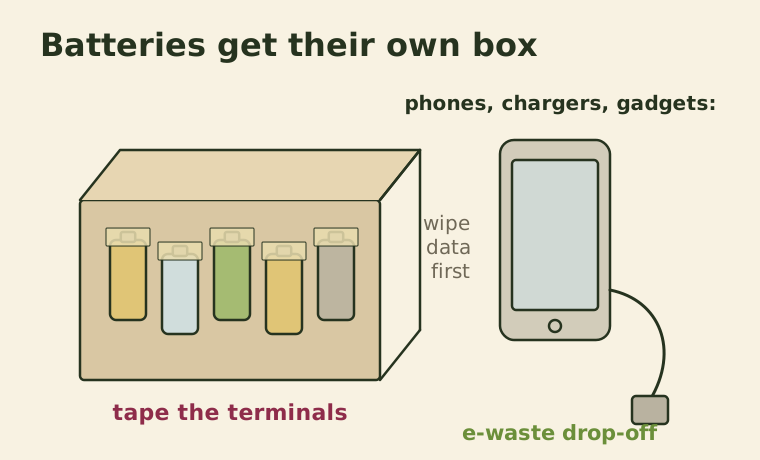
Batteries, especially lithium-ion ones from phones, vapes and gadgets, can be crushed in collection trucks and sorting facilities and start fires. Battery-related fires are a growing problem for waste facilities.
Fix: Never put batteries in household recycling or trash. Our guide to recycling batteries and electronics covers safe drop-off.
10. Broken glass, mirrors and cookware
Drinking glasses, window glass, mirrors, ceramics and ovenproof glass have different melting points from bottle and jar glass. Even small amounts can cause defects in new bottles.
Fix: Recycle only glass bottles and jars. Wrap broken glass safely and put it in the trash.
11. Hazardous containers that are not empty
Containers that held paint, motor oil, pesticides or solvents can contaminate recycling and are dangerous for workers.
Fix: Take them to a household hazardous waste collection point. Completely empty and dry metal paint cans are accepted in some programs.
12. Textiles and hoses in the bin
Clothes, cables, hoses and string are "tanglers", like plastic bags, and wrap around equipment.
Fix: Donate wearable clothes, use textile recycling banks for worn-out fabric, and look for repair or reuse options. Our guide to upcycling old t-shirts has a few ideas.
A simple sorting routine at home
| Bin or bag | What goes in | Where it ends up |
|---|---|---|
| Recycling (loose) | Clean bottles, jars, cans, paper, cardboard and accepted plastics | Curbside collection |
| Compost or food waste | Food scraps, greasy paper, coffee grounds | Home compost or municipal collection |
| Drop-off box | Batteries, small electronics, plastic film | Store or municipal drop-off |
| Trash | Everything that fits none of the above | Landfill or incineration |
Keep the drop-off box somewhere out of the way and empty it every month or two.
Remember the order
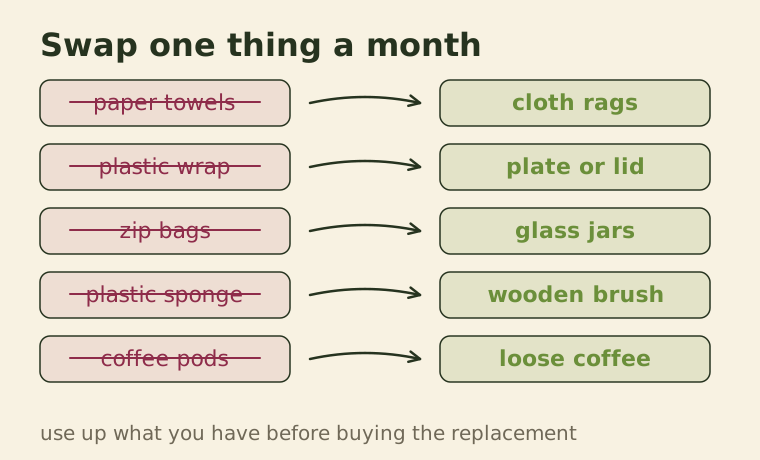
Recycling is the third step, not the first. Reducing what you buy and reusing what you have saves more energy and material than any recycling process. Our zero waste kitchen swaps are a good place to start cutting the amount of packaging that comes into your home in the first place.
Keep reading
-
 Recycling
How to Recycle Batteries and Old Electronics Safely
Why batteries must stay out of the bin, how to tape and store them, where to drop off e-waste, and how to wipe your data before you let a device go.
-
 Zero Waste Home
12 Zero Waste Kitchen Swaps That Are Actually Easy to Keep Up
Simple replacements for the most common disposables in the kitchen, ordered from easiest to more committed, and the habits that make them stick.
-
 Recycling
Recycling Symbols Explained: What the Numbers 1 to 7 on Plastic Really Mean
The triangle with a number doesn't mean an item is recyclable. Here's what each plastic code means, which ones are commonly accepted, and the other symbols to know.