
DIY Seed Pots From Newspaper, Toilet Rolls and Egg Cartons
Make free, plantable seed pots from paper you already have. Step-by-step folding instructions, which seeds suit each pot, and how to avoid mold and soggy pots.
On this page
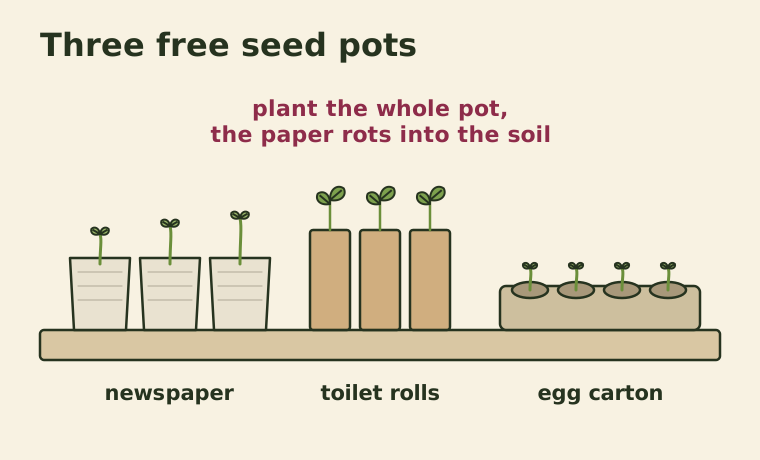
Plastic seed trays and pots pile up in garden sheds, and many are thrown away after a single season. A simple alternative is to make your own pots from paper that would otherwise go into the recycling: newspaper, toilet paper tubes and cardboard egg cartons.
Paper pots have another advantage: you can plant them directly into the ground with the seedling inside. The paper breaks down in the soil, and the roots grow straight through, with no transplant shock from pulling seedlings out of a pot. That makes them ideal for plants that dislike root disturbance, such as beans, peas, squash and cucumbers.
Which pot for which seeds
| Pot | Size | Best for | Lasts about |
|---|---|---|---|
| Newspaper pot | 5–7 cm wide, 7–8 cm deep | Tomatoes, peppers, squash, cucumbers, herbs | 4–6 weeks |
| Toilet roll tube | 4 cm wide, deep | Peas, beans, sweet peas, corn (deep roots) | 3–5 weeks |
| Egg carton cell | 3–4 cm | Lettuce, herbs, flowers, small seeds | 2–4 weeks |
Use plain newspaper printed with standard inks. Avoid glossy magazine pages, which break down slowly and may contain more additives.
How to make newspaper pots
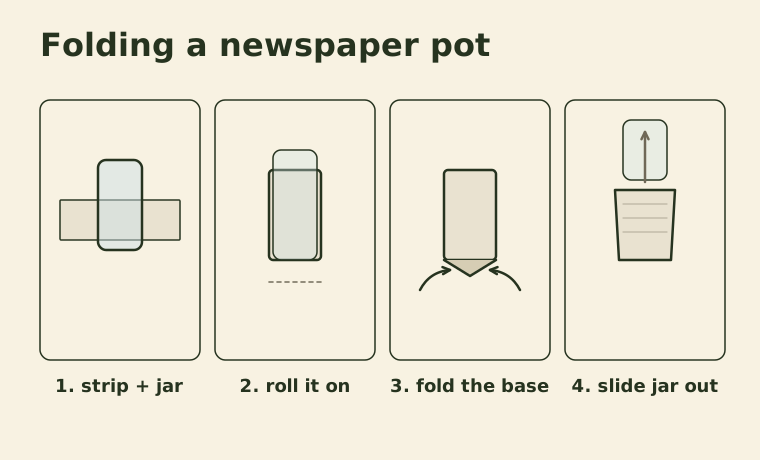
You need: newspaper, a straight-sided jar or can about 5 to 6 centimeters wide, and scissors.
- Cut a strip of newspaper about 10 centimeters wide and 30 centimeters long. Use two layers for a stronger pot.
- Lay the jar on its side on the strip, with about 3 centimeters of paper extending past the jar's base.
- Roll the paper around the jar, not too tightly.
- Fold the overhang inward over the base of the jar, crease by crease, like wrapping a present.
- Press the base down firmly on the table to set the folds.
- Slide the jar out. The pot holds its shape without glue or tape.
Make a batch in front of the TV in 15 minutes. Stand them close together in a tray so they support each other.
How to make toilet roll pots
- Cut four slits, about 2 centimeters long, evenly around one end of the tube.
- Fold the four flaps inward, overlapping them to make a base.
- Stand the tubes upright in a tray.
For deeper pots, leave the tubes without a base and pack them tightly in a container. The soil will stay in once it's damp and the roots knit it together.
How to use egg cartons
Cut off the lid and use it as a drip tray underneath. Poke a small drainage hole in the bottom of each cell with a pencil. Only use cardboard cartons; foam and plastic ones won't break down.
When planting out, cut the carton apart into individual cells and tear away part of the base.
Filling and sowing
- Fill the pots with a fine, damp seed-starting mix.
- Firm the mix gently and sow seeds at the depth shown on the packet.
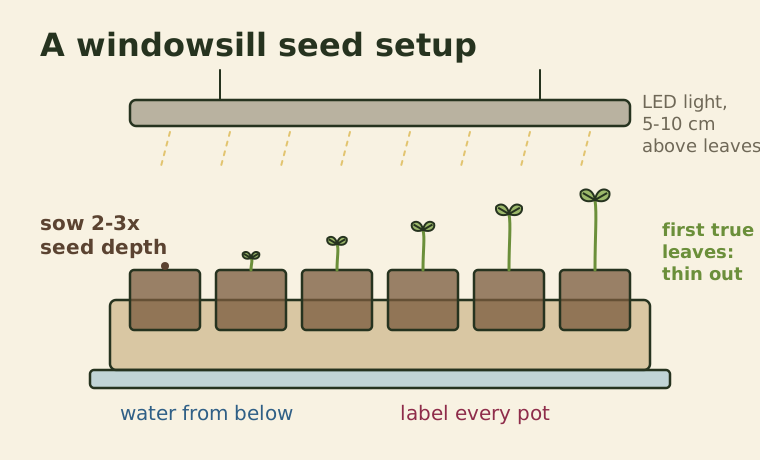
- Water from below by pouring water into the tray, so the paper doesn't get soaked from above.
- Follow the usual care for seedlings: plenty of light, steady moisture and good airflow, as explained in our guide to starting seeds indoors.
Avoiding problems
Mold on the paper. A little white fuzz on the outside of paper pots is common and usually harmless, but it signals that they're staying too wet. Water less, water from below, and increase airflow with a fan or an open window.
Pots falling apart. Paper softens when wet. Pack pots tightly in a tray so they hold each other up, and don't move them individually until planting time.
Drying out quickly. Paper wicks moisture away from the soil. Check pots daily and keep the tray topped up with a shallow layer of water.
Planting out
When seedlings have a few true leaves and roots are visible through the paper:
- Harden the seedlings off gradually over a week or so.
- Tear off the rim of the pot, the part above the soil line. Paper sticking out of the soil acts like a wick and dries the roots out.
- Tear or loosen the base to help roots grow down.
- Plant the whole pot in the ground so the top edge is fully buried, and water well.
The paper will usually have broken down within a few weeks.
A closed loop
Newspaper pots fit naturally into a low-waste garden. The paper comes from the recycling box, the seedlings grow into food, and any pots that go unused go straight into the compost as a brown material. For more ways to reuse paper and cardboard before recycling, see our paper and cardboard guide.
Keep reading
-
 Recycling
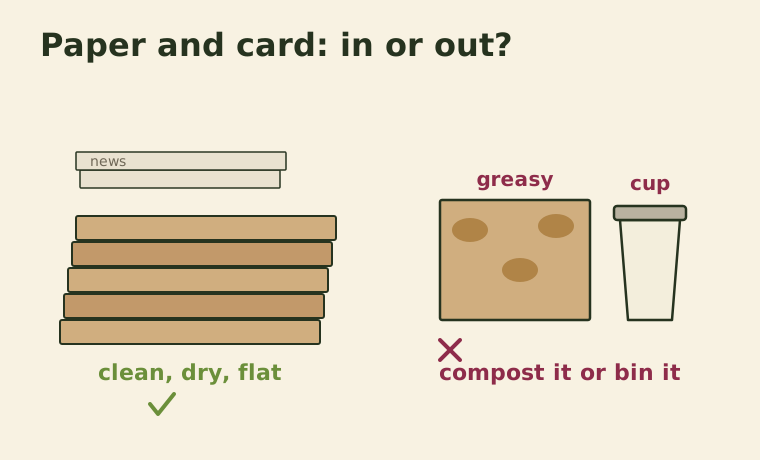
Paper and Cardboard Recycling: What Goes In, What Doesn't, and Why
Which paper and card can be recycled, the common contaminants, how to prepare boxes, and how many times fiber can actually be recycled.
-
 Reuse & Upcycling
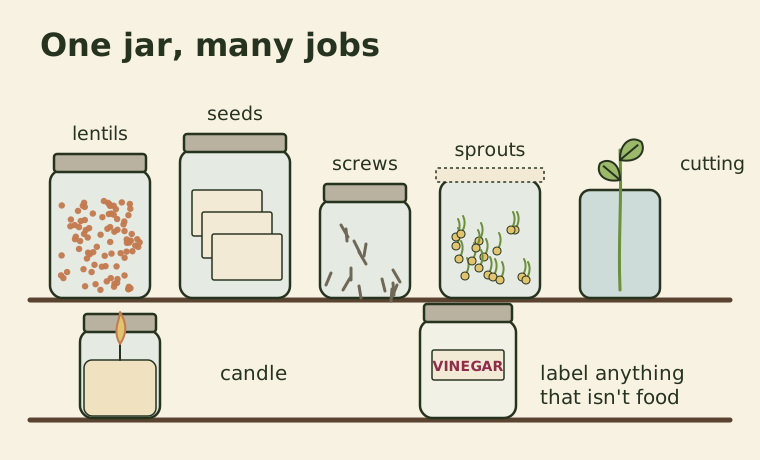
15 Practical Ways to Reuse Glass Jars Around the House
How to remove labels and smells from jars, plus fifteen genuinely useful second jobs for them in the kitchen, garden and workshop.
-
 Growing Food
How to Start Seeds Indoors: From Tray to Transplant
Containers, seed-starting mix, light, water and timing. A step-by-step guide to raising strong vegetable seedlings on a windowsill or under a lamp.