
Companion Planting: What Works, What's Folklore, and Easy Pairs to Try
Which plant pairings have real evidence behind them, which are garden folklore, and a simple chart of good and bad neighbors for common vegetables.
On this page
Companion planting means growing certain plants next to each other because they help one another, whether by deterring pests, attracting helpful insects, sharing space efficiently or improving the soil. Gardening books and charts are full of companion advice, and some of it is backed by research while some is closer to tradition passed down from gardener to gardener.
This guide sorts the ideas into what has good support, what is plausible but uncertain, and what is mostly folklore, then gives a simple chart of pairings to try.
How companion planting can actually work
When companion plants do help each other, it is usually for one of these reasons:
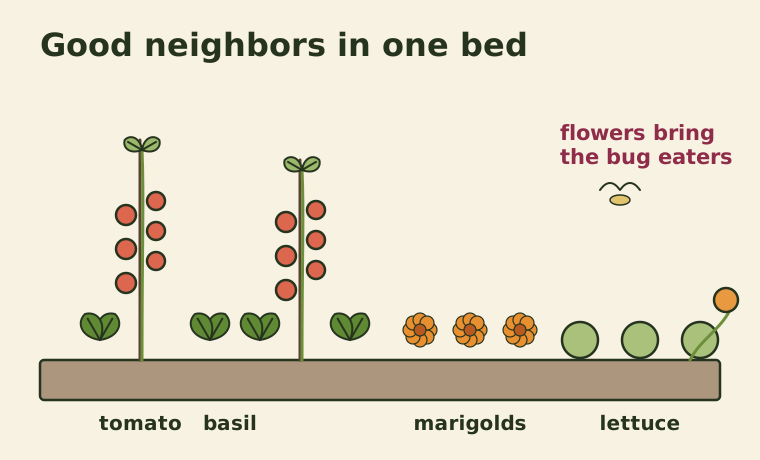
- Attracting beneficial insects. Flowers that provide nectar and pollen bring in pollinators and predators such as hoverflies, lacewings and parasitic wasps, which eat aphids and caterpillars.
- Trap cropping. A plant that pests prefer draws them away from the main crop. Nasturtiums, for example, often attract aphids and cabbage white butterflies.
- Confusing pests. Mixed plantings can make it harder for some pests to find their host plants by sight and smell, compared with large blocks of a single crop.
- Physical help. Tall plants give shade or support; low plants cover the soil and reduce weeds.
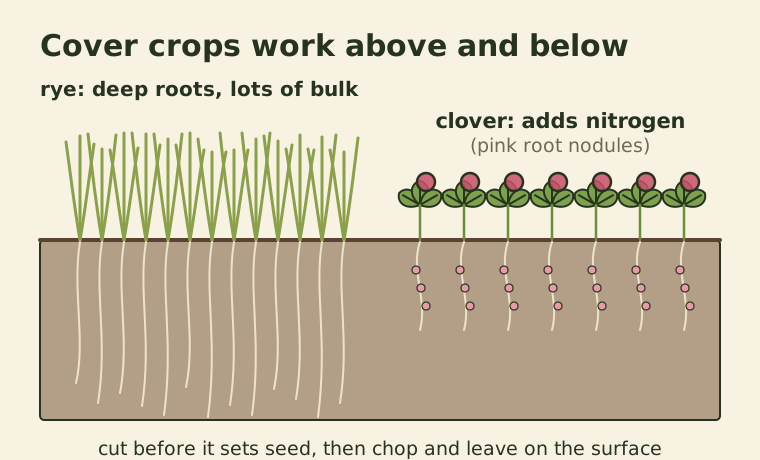
- Soil benefits. Legumes such as beans and peas fix nitrogen in their roots, as described in our guide to cover crops.
- Using space well. Fast crops like radishes can grow between slow ones like carrots and be harvested before they compete.
Pairings with good support
| Pairing | Why it helps |
|---|---|
| Flowers (alyssum, calendula, phacelia, dill) with vegetables | Attract predatory insects that reduce aphid numbers |
| Nasturtiums near cabbage family crops or beans | Act as a trap crop for aphids and caterpillars |
| Corn, beans and squash ("three sisters") | Corn supports climbing beans; squash leaves shade soil and suppress weeds; beans fix nitrogen |
| Radishes sown with carrots or parsnips | Radishes mark slow-germinating rows and are harvested before space is needed |
| Lettuce under taller crops like tomatoes or corn | Gets light shade in hot weather, using space that would be empty |
Plausible but less certain
- Marigolds with tomatoes. French marigolds release compounds from their roots that can reduce some root-knot nematodes, mainly when grown densely for a season before the crop. Planting a single marigold next to a tomato has less clear benefit, but marigolds do attract hoverflies.
- Onions or garlic with carrots. The strong smell may confuse carrot fly, but results in trials are mixed. Fine mesh netting is much more reliable.
- Basil with tomatoes. A classic pairing. Some studies suggest basil may reduce certain pests, but evidence is limited. It is still a convenient pairing because both like the same warm conditions, and you pick them for the same meals.
Mostly folklore
Many charts claim certain plants make others "taste better" or grow better through mysterious influences. There is little evidence for these claims. They don't do harm, but don't expect miracles. Base your planting on light, space and soil first.
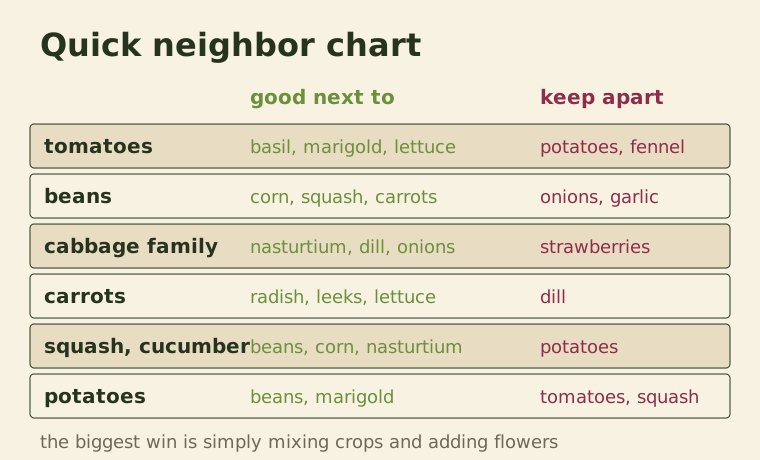
Easy pairs and bad neighbors
| Crop | Good neighbors | Keep apart from |
|---|---|---|
| Tomatoes | Basil, marigolds, lettuce, carrots, calendula | Potatoes (share blight), fennel |
| Beans | Corn, squash, carrots, cucumbers | Onions and garlic (may slow growth) |
| Cabbage family | Nasturtiums, dill, onions, celery | Strawberries, other brassicas packed closely |
| Carrots | Radishes, onions, leeks, lettuce | Dill (cross-pollinates, can stunt) |
| Cucumbers and squash | Beans, corn, nasturtiums, sunflowers | Potatoes |
| Lettuce | Radishes, carrots, tall crops for shade | Very little; very easygoing |
| Potatoes | Beans, marigolds | Tomatoes, squash (disease, competition) |
The "keep apart" column is mostly about shared diseases and competition for space. Potatoes and tomatoes, for example, both get late blight, so planting them side by side helps the disease spread.
A simple companion bed to try
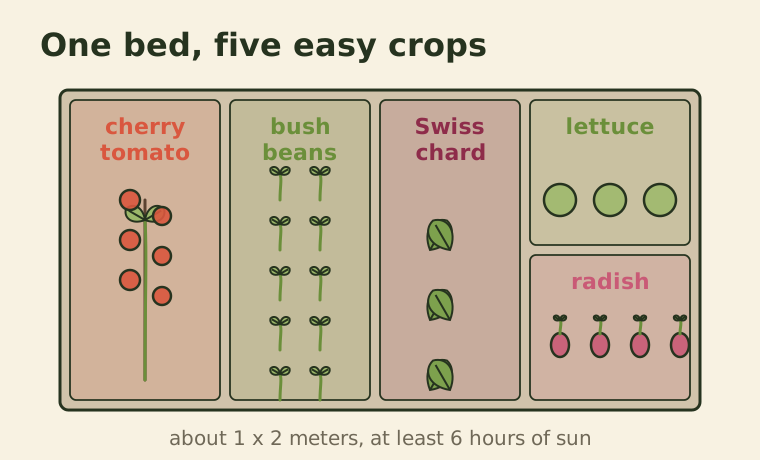
For a bed of about 1 by 2 meters:
- Plant two cherry tomatoes at the back, with a stake each.
- Put basil between and in front of them.
- Edge the bed with French marigolds and calendula.
- Fill the front with lettuce and a row of radishes.
- Plant a nasturtium at one corner to trail out.
This uses the space well, brings flowers for beneficial insects, and gives you salad and tomatoes from one bed. See our list of the easiest vegetables for beginners for growing tips on each crop.
Companion planting in containers
The same ideas work on a balcony. A large pot with a tomato, a basil plant and a trailing nasturtium makes a productive, attractive container. Keep plants with very different water needs apart, though: Mediterranean herbs like rosemary and thyme prefer drier soil than tomatoes. Our balcony herb garden guide explains how to group them.
The bottom line
Do not worry about getting every pairing perfect. The most reliable benefits come from mixing crops rather than planting large blocks of one, adding plenty of flowers, rotating crops each year and keeping the soil healthy with compost. Companion charts are a useful starting point, and the best guide is watching what works in your own garden.
Keep reading
-
 Natural Fertilizers
Cover Crops and Green Manure: How to Feed Your Soil With Plants
Sow clover, rye, vetch or buckwheat between crops to protect bare soil, add nitrogen and organic matter, and cut weeds. Which to grow, when, and how to turn them in.
-
 Growing Food
10 Easiest Vegetables to Grow for Beginners (and How Not to Kill Them)
Ten forgiving crops for a first vegetable garden, with spacing, time to harvest and the one mistake to avoid for each.
-
 Growing Food
How to Start Seeds Indoors: From Tray to Transplant
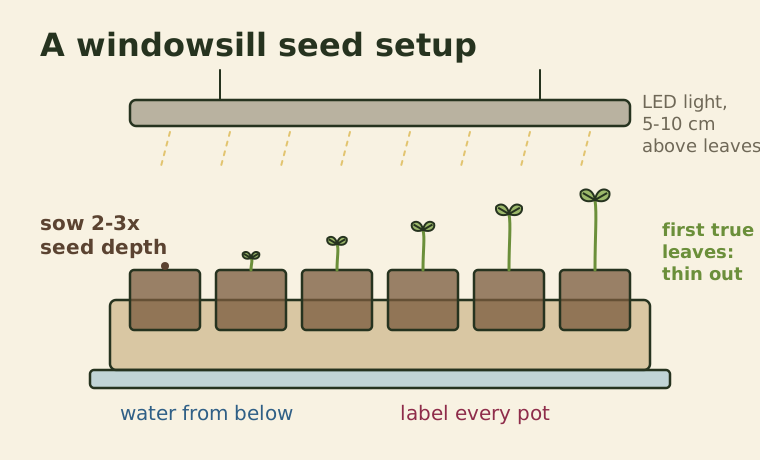
Containers, seed-starting mix, light, water and timing. A step-by-step guide to raising strong vegetable seedlings on a windowsill or under a lamp.