
How to Grow Tomatoes: A Beginner's Guide From Seed to Harvest
Choosing varieties, when to plant, staking, watering, feeding, pinching side shoots, and fixing the common problems like split fruit, blossom end rot and blight.
On this page
Tomatoes are the vegetable most beginners want to grow, and the taste of a sun-warm tomato picked from your own plant makes the effort worth it. They need warmth, sun and steady care, but none of it is complicated. This guide walks through a full season.
Pick the right type
Tomato varieties fall into two growth habits, and knowing which one you have changes how you care for it.
| Type | How it grows | Best for | Care |
|---|---|---|---|
| Cordon (indeterminate) | Keeps growing taller all season | Greenhouses, sunny walls, tall stakes | Tie to a stake, pinch side shoots |
| Bush (determinate) | Stops at about 60 to 120 cm | Pots, small beds, short summers | Little or no pinching |
| Dwarf / tumbling | Small and compact | Hanging baskets, balconies | Almost none |
For a first try, cherry tomatoes are the most forgiving. They ripen quickly, crack less and produce lots of fruit. 'Sungold', 'Gardener's Delight' and 'Sweet Million' are reliable choices. Larger beefsteak types taste wonderful but need a long, warm season.
When and how to plant
Tomatoes are killed by frost and sulk below about 10 °C. Most gardeners start seeds indoors 6 to 8 weeks before the last frost, then plant out when nights stay above 10 °C. Our guide to starting seeds indoors covers the seedling stage.
When planting:
- Choose the sunniest spot you have. Tomatoes need at least 6 to 8 hours of direct sun.
- Harden off young plants for a week by putting them outside for longer each day.
- Plant deep. Bury the stem up to the first set of leaves. Tomatoes grow roots all along a buried stem, making a stronger plant.
- Space them about 45 to 60 cm apart, so air can move between plants.
- Put in the stake now, not later, so you don't spear the roots.
Support and pinching
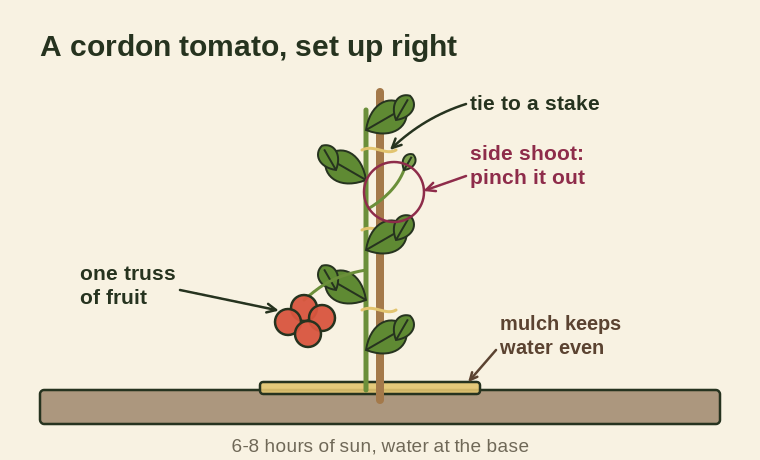
Cordon tomatoes can reach two meters. Tie the main stem loosely to a stake or string every 20 to 30 cm as it grows, using soft twine or strips of old t-shirt.
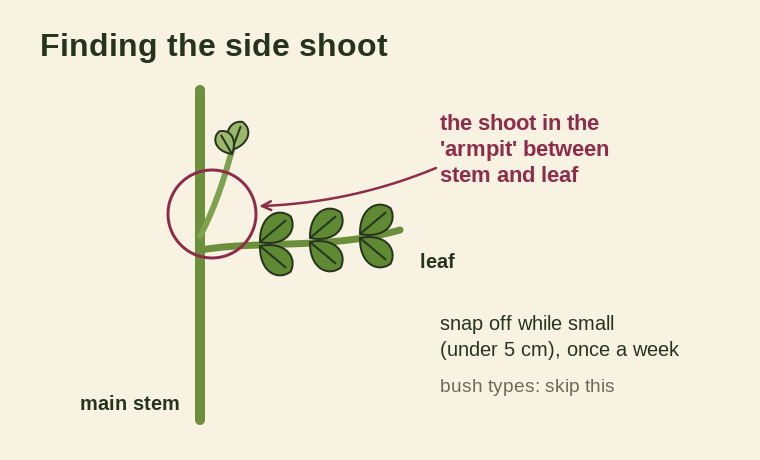
Side shoots grow in the angle between a leaf and the main stem. On cordon types, pinch them out with your fingers when they are small, about once a week. This keeps the plant to one main stem, so it puts energy into fruit instead of a jungle of leaves. Bush types don't need this.
When a cordon plant reaches the top of its support, or about six weeks before your first expected autumn frost, pinch out the growing tip. This tells the plant to ripen the fruit it already has.
Watering and feeding
Uneven watering causes most tomato problems. Aim for steady moisture:
- Water deeply at the base, not over the leaves. Wet leaves spread disease.
- In beds, water two or three times a week in warm weather. In pots, it may be every day in midsummer.
- Mulch the soil with straw, grass clippings or leaf mold to keep moisture even. See mulching to save water.
Start feeding when the first small fruits appear. A high-potassium liquid feed every one to two weeks works well, such as a homemade comfrey feed or a tomato fertilizer. Too much nitrogen gives lush leaves and few tomatoes.
Common problems and fixes
| Problem | Cause | Fix |
|---|---|---|
| Black, sunken patch on the bottom of fruit (blossom end rot) | Irregular watering stops calcium reaching the fruit | Water steadily; mulch |
| Fruit splits | Heavy watering or rain after a dry spell | Keep moisture even; pick ripe fruit promptly |
| Brown patches on leaves and stems, fruit rots fast (late blight) | Fungal-like disease in warm, wet weather | Remove affected leaves; give space; grow resistant varieties |
| Yellow lower leaves | Age, or lack of nitrogen | Remove old leaves; feed |
| Flowers drop without fruit | Too hot, too cold or too dry | Shade in heatwaves; water well |
| Leaves curl upwards | Heat or wind stress | Usually harmless |
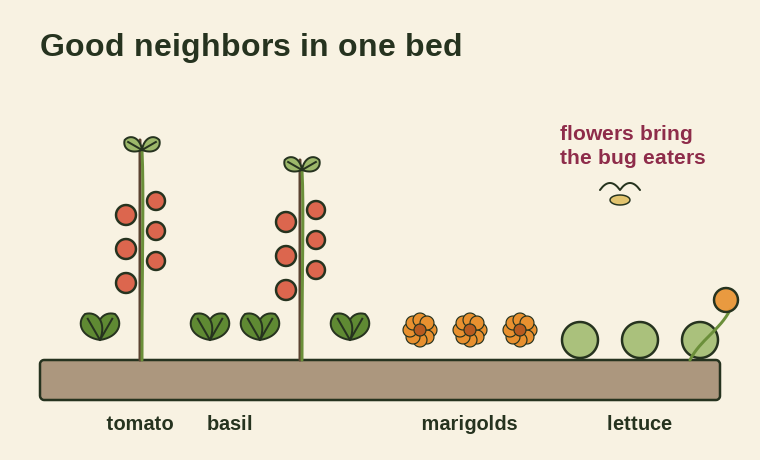
Plant basil and marigolds nearby to attract helpful insects, and keep tomatoes away from potatoes, which share the same blight.
Harvesting
Pick tomatoes when they are fully colored and give slightly when pressed. They taste best picked at room temperature, not chilled. At the end of the season, green tomatoes will ripen indoors in a paper bag with a banana, or can be made into chutney.
Save seeds from your best open-pollinated plants for next year. Our seed saving guide explains the fermentation method for tomatoes.
Common questions
Do I need a greenhouse? No. Bush and cherry types do well outdoors in a sunny, sheltered spot. Greenhouses help in cool or short summers.
Should I remove leaves? Removing the lowest leaves once fruit forms improves airflow and reduces disease splash. Don't strip the plant bare; leaves feed the fruit.
How many plants do I need? Two or three cherry tomato plants give a small family a steady supply through late summer.
Give tomatoes sun, steady water and a stake, pinch the side shoots once a week, and you'll be picking your own within about 10 to 12 weeks of planting out.
Keep reading
-
 Growing Food
Companion Planting: What Works, What's Folklore, and Easy Pairs to Try
Which plant pairings have real evidence behind them, which are garden folklore, and a simple chart of good and bad neighbors for common vegetables.
-
 Small-Space Gardening
Growing Vegetables in Containers: Pot Sizes, Soil Mix and Watering
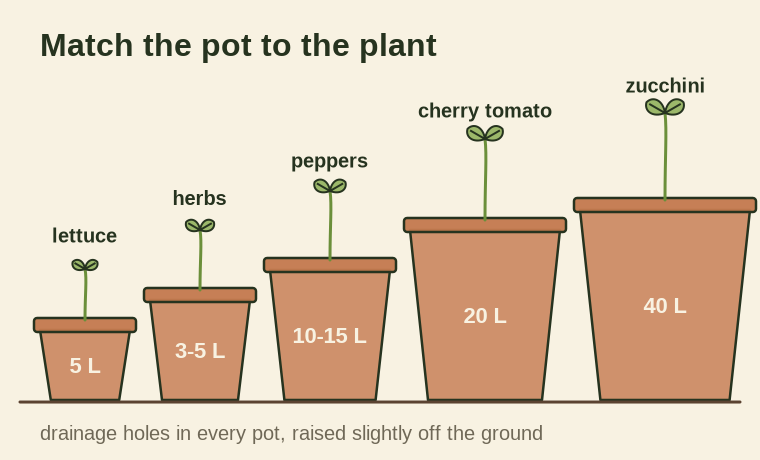
How big each pot should be, how to mix a potting soil that doesn't compact, and a watering routine that keeps container crops healthy.
-
 Growing Food
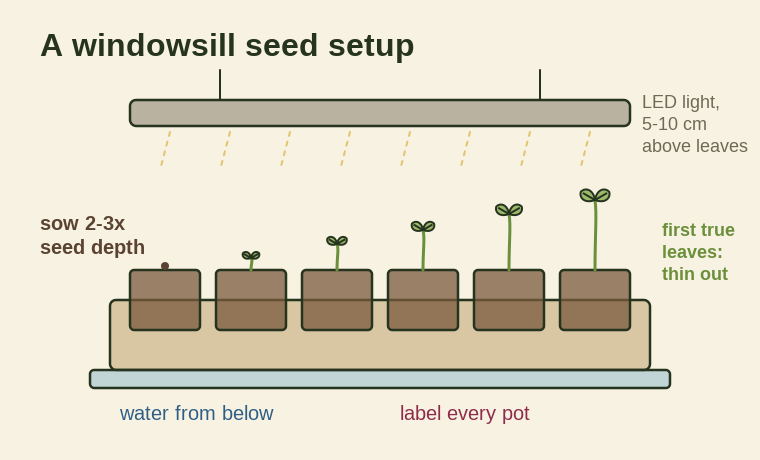
How to Start Seeds Indoors: From Tray to Transplant
Containers, seed-starting mix, light, water and timing. A step-by-step guide to raising strong vegetable seedlings on a windowsill or under a lamp.
More in Growing Food
- Companion Planting: What Works, What's Folklore, and Easy Pairs to Try
- Regrow Vegetables From Kitchen Scraps: What Works and What's Just a Nice Idea
- How to Save Seeds From Your Garden: Tomatoes, Beans, Peppers and More
- 10 Easiest Vegetables to Grow for Beginners (and How Not to Kill Them)
- How to Start Seeds Indoors: From Tray to Transplant
- Crop Rotation for Small Gardens: A Simple 4-Bed Plan That Works
- Raised Bed Gardening for Beginners: Size, Materials and Filling
- Growing Lettuce and Salad Greens: Fresh Leaves for Most of the Year