
Crop Rotation for Small Gardens: A Simple 4-Bed Plan That Works
A beginner's guide to crop rotation: why moving crops each year matters, the main vegetable families, a 4-bed plan, what to do in tiny plots and how to rotate in pots.
On this page
Crop rotation simply means not growing the same type of vegetable in the same spot year after year. Farmers have done it for centuries, and it works just as well in a backyard. Moving crops around helps stop soil pests and diseases from building up, and it spreads the demands on your soil more evenly.
Rotation can sound complicated, with charts and color codes. In practice, a small garden needs only two things: knowing which vegetables belong to the same family, and a rough plan written down somewhere so you remember what grew where.
Why rotation matters
Many pests and diseases that live in soil attack one plant family only. Grow potatoes in the same bed every year and potato pests have a permanent home, and their numbers build up each season. Move the potatoes and those organisms are left without a host, and many die out over a few years.
Rotation also helps the soil itself:
- Different nutrient needs. Leafy cabbages are hungry for nitrogen, root crops need less, and peas and beans can add some nitrogen through bacteria in their roots.
- Different root depths. Deep-rooted and shallow-rooted crops use different soil layers.
- Easier planning. Beds that are manured or composted for hungry crops one year are then used by crops that like leftover fertility the next.
Rotation is not a cure-all. Airborne diseases such as tomato and potato blight arrive on the wind, so moving the plants does not prevent them. And some soil diseases, like clubroot of cabbages and onion white rot, can survive in soil for 15 to 20 years, far longer than any garden rotation. Rotation slows their spread, but clean tools, healthy soil and resistant varieties matter too.
Know your vegetable families
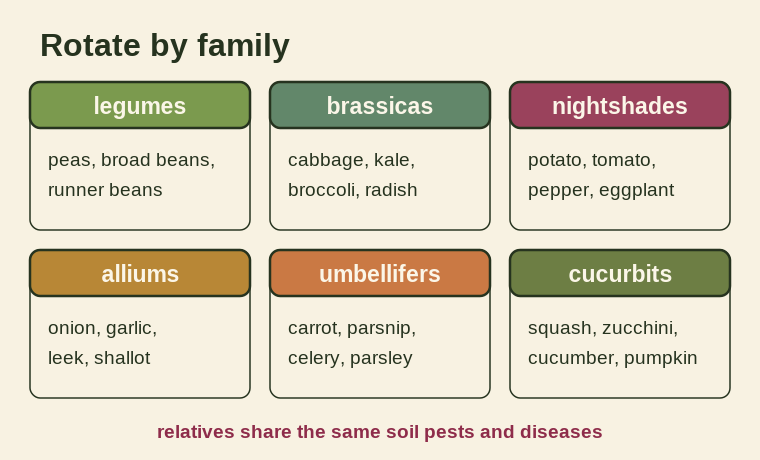
Rotation is based on plant families, not individual crops. Tomatoes and potatoes look nothing alike but share pests and diseases, so they move together.
| Family | Common crops |
|---|---|
| Legumes (pea family) | Peas, broad beans, runner beans, French beans |
| Brassicas (cabbage family) | Cabbage, kale, broccoli, Brussels sprouts, radish, turnip |
| Nightshades (potato family) | Potatoes, tomatoes, peppers, eggplants |
| Alliums (onion family) | Onions, garlic, leeks, shallots |
| Umbellifers (carrot family) | Carrots, parsnips, celery, parsley, fennel |
| Cucurbits (squash family) | Squash, zucchini, cucumbers, pumpkins, melons |
| Beet family | Beetroot, chard, spinach |
Lettuce, sweet corn and the beet family suffer from few rotation-specific problems, so they can fill gaps wherever there is space.
A simple 4-bed rotation
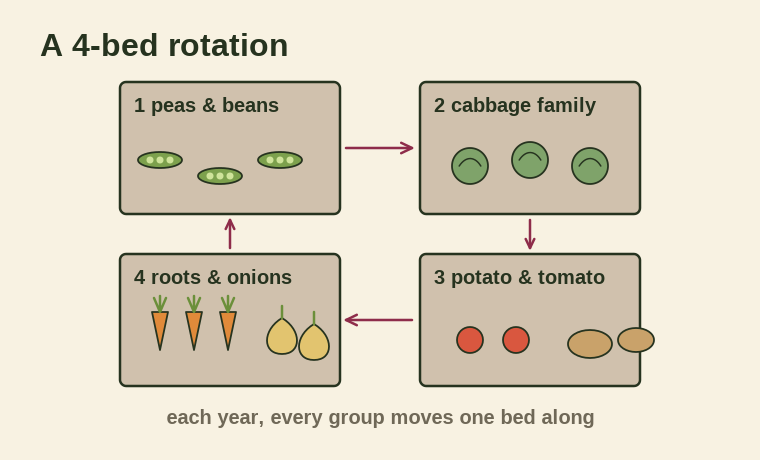
A four-bed plan suits most small gardens, especially ones built with raised beds. Divide your growing space into four roughly equal beds, then each year move every group one bed along.
- Bed 1: Legumes. Peas and beans. Fill spare space with lettuce or other salad crops.
- Bed 2: Brassicas. Cabbages, kale, broccoli and radishes follow the legumes. Add compost before planting.
- Bed 3: Potatoes and the tomato family. Potatoes, tomatoes and peppers, with a generous layer of compost or well-rotted manure.
- Bed 4: Roots and onions. Carrots, parsnips, beetroot, onions, garlic and leeks. No fresh manure here, as it can make carrots fork.
The next year, legumes move to bed 2, brassicas to bed 3, and so on. In year five, each group is back in its original bed, which gives most soil pests three years without a host.
Squash and cucumbers can join the potato bed or go wherever there is room. Many gardeners treat them as a "fifth group" that floats.
Rotation in very small spaces
If you have only one or two beds, a full four-year cycle may not be possible. A few simpler rules still give most of the benefit:
- Never follow a crop with its relatives. No potatoes after tomatoes, no kale after cabbages.
- Aim for at least a 3-year gap before the same family returns to the same spot.
- Split beds into sections. A 1.2 by 2.4 meter bed can hold two or three rotation zones.
- Mix crops. Smaller plots often mix families in one bed. Our companion planting guide gives ideas for good neighbors.
- Use green manure in gaps between crops. Cover crops protect bare soil and add organic matter.
Rotating crops in pots and containers
Container growing makes rotation easy, because you can change the soil.
- Don't grow the same family in the same potting mix two years running. Tomatoes in last year's tomato compost risk disease and poor growth.
- Reuse old mix for a different family. Last year's tomato mix can grow lettuce or peas, with a little fresh compost added.
- Refresh or replace mix every year or two for hungry crops. Spent mix can go on garden beds or into the compost.
- Clean pots with hot soapy water before reusing them, especially after any disease.
Potatoes grown in bags are a good example: empty the bag at harvest, use the mix elsewhere and start fresh next year.
Common questions
What if I only grow tomatoes? Change the spot or the potting mix each year, and pick disease-resistant varieties. Grafted plants are another option for persistent soil problems.
Do herbs and flowers need rotating? Most perennial herbs stay put. Parsley, dill and coriander belong to the carrot family, so if you grow a lot of them, rotate them with the roots.
Do peas and beans really add nitrogen? They fix some, but most of it goes into the pods and seeds. Leaving the roots in the soil after harvest helps the next crop a little, so cut the plants at ground level instead of pulling them up.
What about perennial crops? Asparagus, rhubarb and fruit bushes stay put for years. Give them a permanent bed outside the rotation.
Crop rotation doesn't need to be perfect to help. Keep relatives apart, leave a few years between repeats and write down what you grew. That small habit keeps soil healthier for every season to come.
Keep reading
-
 Growing Food
Raised Bed Gardening for Beginners: Size, Materials and Filling
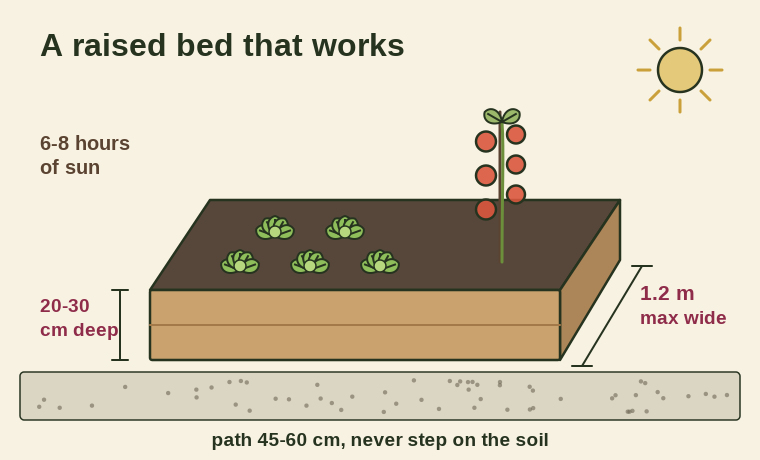
How wide, long and deep to build a raised bed, which materials are safe for food, how to fill it cheaply with layers, and where to put it for sun, water and easy paths.
-
 Natural Fertilizers
Cover Crops and Green Manure: How to Feed Your Soil With Plants
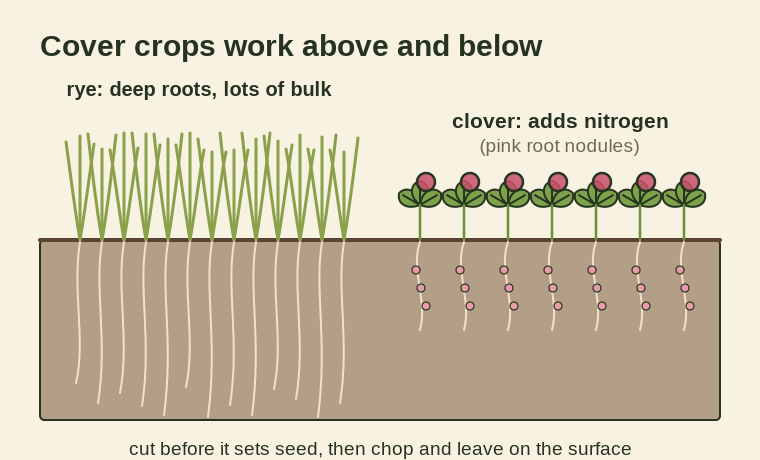
Sow clover, rye, vetch or buckwheat between crops to protect bare soil, add nitrogen and organic matter, and cut weeds. Which to grow, when, and how to turn them in.
-
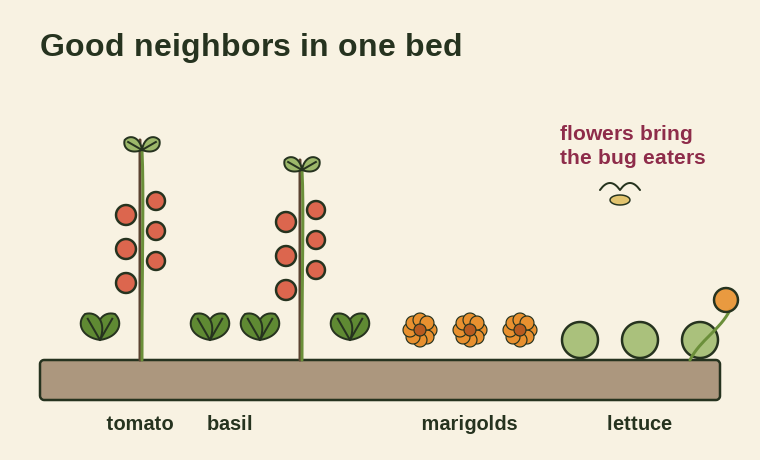 Growing Food
Companion Planting: What Works, What's Folklore, and Easy Pairs to Try
Which plant pairings have real evidence behind them, which are garden folklore, and a simple chart of good and bad neighbors for common vegetables.
More in Growing Food
- Raised Bed Gardening for Beginners: Size, Materials and Filling
- Growing Lettuce and Salad Greens: Fresh Leaves for Most of the Year
- How to Grow Tomatoes: A Beginner's Guide From Seed to Harvest
- Companion Planting: What Works, What's Folklore, and Easy Pairs to Try
- Regrow Vegetables From Kitchen Scraps: What Works and What's Just a Nice Idea
- How to Save Seeds From Your Garden: Tomatoes, Beans, Peppers and More
- 10 Easiest Vegetables to Grow for Beginners (and How Not to Kill Them)
- How to Start Seeds Indoors: From Tray to Transplant