
How to Use Manure in the Garden Safely: Types, Aging and Amounts
Chicken, horse, cow and rabbit manure compared, why fresh manure can burn plants, how to age it, how much to use, and the food safety rules for vegetable beds.

On this page
Manure has fed gardens for thousands of years, and for good reason. It adds nutrients, but more importantly it adds organic matter: the stuff that turns hard, dusty or sticky soil into dark, crumbly earth that holds water and air. Many stables and small farms give it away for free.
Used the wrong way, though, manure can burn young plants, fill a bed with weed seeds, or carry bacteria onto salad leaves. This guide covers how to use it well.
Fresh vs. aged manure
Fresh manure is high in ammonia and salts. Put it directly around plants and it can scorch roots and leaves, especially with strong manures like chicken. It may also contain live weed seeds and harmful bacteria such as E. coli and Salmonella.
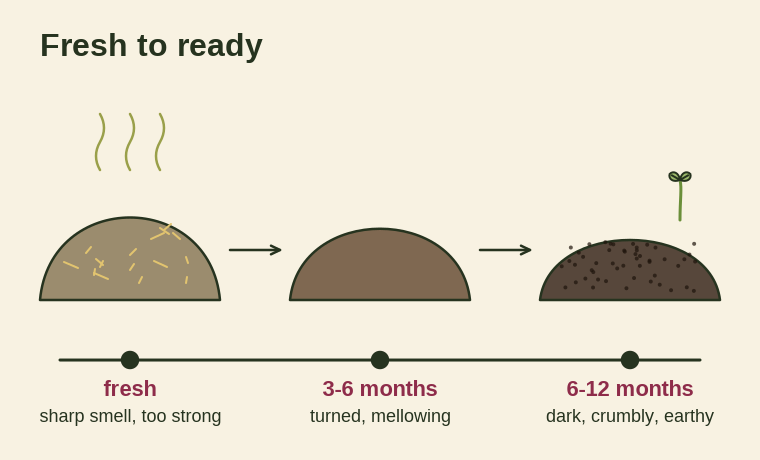
Aged or composted manure has been left to break down for months. The ammonia has mellowed, much of the bacteria has died off, and it smells earthy rather than sharp. This is what you want around growing plants.
A simple rule: if it still smells strongly like a farmyard, it isn't ready.
Which manure is which
| Manure | Strength | Notes |
|---|---|---|
| Chicken and other poultry | Very strong (high nitrogen) | Always compost first; use sparingly |
| Horse | Medium | Often mixed with straw or wood shavings; can carry weed seeds |
| Cow | Mild | Well balanced, low in weed seeds if well rotted |
| Sheep and goat | Medium | Dry pellets, easy to handle |
| Rabbit | Medium, but "cool" | Can go straight onto beds in small amounts |
| Dog, cat, pig, human | Not for food gardens | Can carry parasites and pathogens |
Never use manure from meat-eating pets on beds where you grow food. The same goes for anything from animals that are sick or have recently been wormed, since some deworming drugs pass into the manure and can harm earthworms.
How to age manure
- Pile it up in a corner of the garden, on soil rather than concrete.
- Mix in browns if it has little bedding: straw, leaves or shredded cardboard. This balances the nitrogen and helps it rot evenly. See the green and brown ratio guide.
- Keep it damp but not soaking. Cover with a tarp or old carpet so rain doesn't wash the nutrients out.
- Turn it every few weeks if you can. This speeds things up and helps it heat.
- Wait. Horse and cow manure are usually ready in 3 to 6 months if turned, or 6 to 12 months if left alone. Chicken manure is best added to the compost bin in small amounts instead of being piled on its own.
You can also simply add manure to your normal compost bin as a green ingredient. It is an excellent activator.
How much to use
Well-rotted manure is gentle, but more is not always better. Too much can push leafy growth at the expense of fruit and can build up phosphorus over the years.
- Vegetable beds: a layer of 2 to 5 centimeters spread on top once a year, in autumn or a few weeks before planting.
- Hungry crops like squash, pumpkins, potatoes and cabbages: a little extra dug into the planting hole.
- Root crops like carrots and parsnips: skip fresh manure the same year, as it can make them fork. Grow them in beds that were manured the year before.
- Chicken manure pellets: follow the bag. A small handful per square meter is typical.
- Containers: mix no more than about 10 to 20 percent aged manure into potting mix.
You don't have to dig it in. Spreading it on top and letting worms pull it down works well and protects soil life.
Food safety rules
These guidelines are simple and worth following, especially for crops eaten raw:
- Use only well-composted or aged manure on vegetable beds.
- If you do use raw manure, apply it at least 120 days before harvesting crops that touch the soil, like lettuce, radishes and strawberries, and 90 days before harvesting crops that don't, such as tomatoes and corn. This is the rule organic growers in the United States follow.
- Wear gloves, and wash hands after handling manure.
- Wash vegetables well, particularly leafy greens and root crops.
Other ways to get the same benefits
No horse nearby? You can build soil without manure:
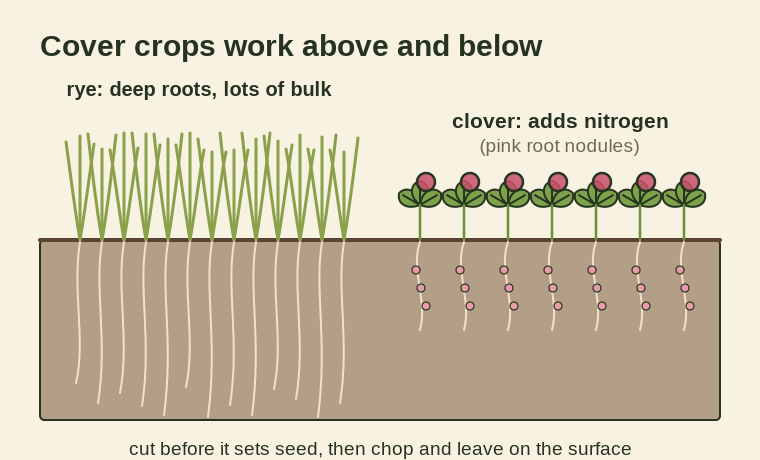
- Cover crops and green manure grow their own nitrogen.
- Homemade compost and leaf mold add organic matter.
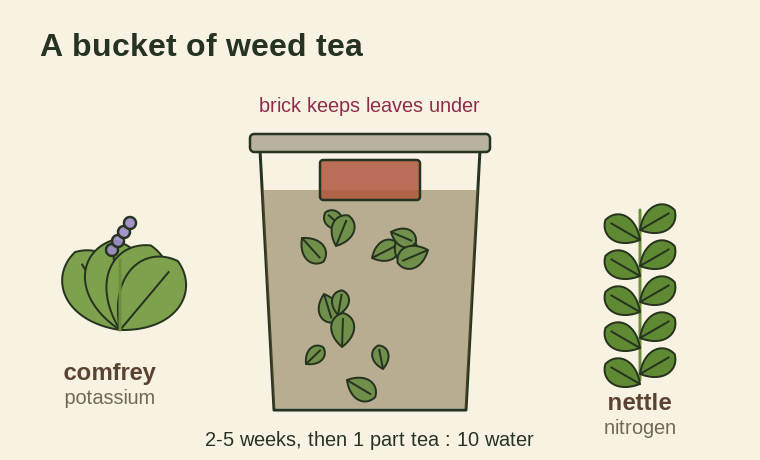
- Comfrey and nettle liquid feeds give a quick nutrient boost in summer.
Common questions
Is bagged manure from the garden center safe? Usually yes. It is normally composted and heat-treated. Check the label.
Can I make manure tea? You can, but it carries the same bacteria risks as fresh manure. Compost tea made from finished compost is a safer choice.
Why do my beans look twisted after adding manure? Curled, cupped leaves on beans, peas and tomatoes are a classic sign of herbicide residue in manure. Stop using that source.
Aged manure is one of the cheapest ways to improve tired soil. Find a source you trust, give it time to mellow, spread it thinly, and your beds will be noticeably darker and richer within a season or two.
Keep reading
-
 Natural Fertilizers
Cover Crops and Green Manure: How to Feed Your Soil With Plants
Sow clover, rye, vetch or buckwheat between crops to protect bare soil, add nitrogen and organic matter, and cut weeds. Which to grow, when, and how to turn them in.
-
 Natural Fertilizers
Comfrey and Nettle Tea: Homemade Liquid Fertilizers From Weeds
How to brew liquid plant feed from comfrey and stinging nettle, which crops each one suits, dilution rates, and how to handle the smell.
-
 Composting
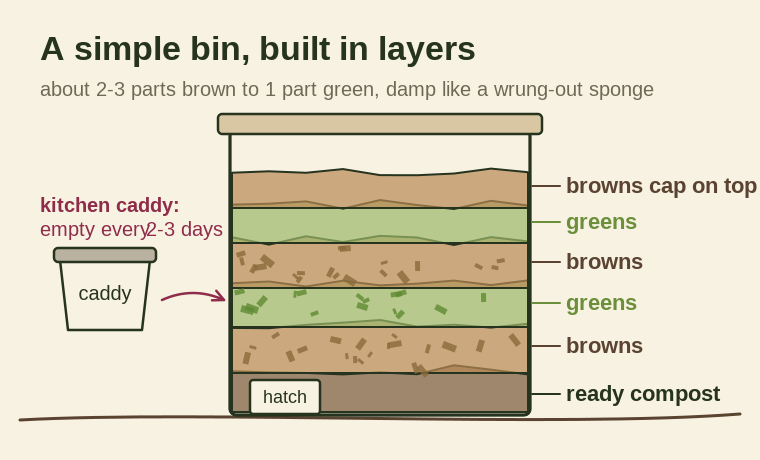
How to Start Composting at Home: A Beginner's Setup That Actually Works
Choose a bin, find the right spot, learn the two ingredients that matter, and get your first finished compost in three to six months.
More in Natural Fertilizers
- Cover Crops and Green Manure: How to Feed Your Soil With Plants
- Comfrey and Nettle Tea: Homemade Liquid Fertilizers From Weeds
- Using Wood Ash in the Garden: Benefits, Limits and Safe Amounts
- Banana Peels, Eggshells and Coffee Grounds: Which Kitchen Fertilizers Really Work
- How to Make Compost Tea: Simple Steeped and Aerated Methods
- Epsom Salt in the Garden: What It Really Does and When to Use It
- How to Use Worm Castings: Top Dressing, Potting Mix and Worm Tea
- How to Read a Fertilizer Label: N-P-K Numbers Explained Simply